
How to increase metabolism to weight loss?
How to start burning fat!

Are you eating the same amount as before, yet losing weight more slowly than a few years ago? Do you feel like the pounds are piling on more easily and stubbornly staying on, especially in the places you hate the most? Don’t worry, this isn’t necessarily the result of laziness, but could be the natural effect of hormonal changes that come with age.
The good news is that you can do something about your slowing metabolism. By eating consciously, incorporating a few targeted ingredients, and exercising, you can get your body back on track – and no, you don’t have to starve yourself or go on extreme diets. In fact, as you’ll read later, you may need to eat more food to kick-start your metabolism. That’s what happened to me. After my vacation, I realized that I couldn’t lose the two pounds I had gained using my usual methods. My body had been receiving few calories before, and when it got more calories during my vacation, it stored everything better. The solution for me was not to reduce calories, but to return to my basal metabolic rate in terms of calories and fill my plate with mostly fiber-rich foods. This restarted the weight loss process.
In this article, I will share tips and recipes that will help boost your metabolism and make you feel better in your own skin.
Why is it important to support metabolism?
Cell function, energy production, nutrient utilization, and waste breakdown are controlled by metabolism. If you are dieting but losing weight slowly or not at all, slow metabolism may be the cause.
Signs of a slow metabolism for example:
- constant fatigue
- unexplained weight gain, even with normal eating habits
- bloating, slow digestion
- constipation
- cold extremities
When does metabolism slow down?
- during hormonal changes associated with age, such as menopause
- in cases of hypothyroidism
- during the postpartum period
- after illness
- during periods of stress
- if you have a poor diet *
- if your diet is inadequate – you eat too many ultra-processed, low-fiber foods (such as baked goods made from white flour, cookies, cakes, pizza, hamburgers)
- if you have a sedentary lifestyle, especially if you do not do strength training (such as weight lifting)
*Your metabolism can also slow down if you follow a low-calorie diet for a long period of time. In this case, your body switches to reserve mode and does not allow fat burning.
If you want to know whether this is happening to you, you first need to find out what your basal metabolic rate is. This can be calculated using a formula. Then you need to find out how many calories you consume per day. You can get a good overview of this by keeping a diary.
Ingredients that accelerate metabolism
- Proteins (e.g., eggs, chicken breast, fish, Greek yogurt) – maintain muscle mass, increase energy consumption
- Spices (e.g., ginger, chili, cinnamon) – increase heat production.
- Moderate green tea or coffee – effects of caffeine and antioxidants.
- Water, herbal teas – hydration, support for metabolic processes
- Healthy fats (e.g., olive oil, avocado, nuts) – support for cell function, hormonal balance
- Fresh fruits, berries – vitamins, antioxidants
- High-fiber foods (e.g., fiber-rich fruits, vegetables, legumes, whole grains) – digestion and blood sugar control.
High-fiber foods*
*Based on the book by Erzsébet Soltész and Zoltán Gajda entitled Rost Jó! (Fibre is Good!) – the list is not exhaustive, but merely a sample; further examples can be found in the book.
- vegetables
- celery root
- spinach
- parsley root
- dry legumes
- dried beans
- chickpea
- red lentil
- fruits
- raspberry
- blackberry
- pear
- cereals, pseudo-cereals
- oats
- spelt wheat
- buckwheat
- nuts, oilseeds
- walnut
- almond
- sesame seed
- other
- flaxseed
- chia seeds
- psyllium husk
How can metabolism be slowed down?
Okay, so now you know how to speed up your metabolism. It’s also worth knowing what slows it down:
Ingredients that slow down metabolism:
How can you put these into practice?
- Make sure every meal contains at least 20 grams of protein.
- Always sprinkle cinnamon on top of your milk drink (cappuccino or latte) or porridge.
- Drink one cup of coffee or green tea* every day.
- In cold weather, drink a spicy chai latte.
- Take water with you everywhere you go and drink enough (at least 2-3 liters a day). Don’t choose sugary soft drinks!
- Make sure every meal contains fiber-rich ingredients (e.g., vegetables, fruits, whole grains).
- Prepare a variety of side dishes, such as brown rice, barley, and buckwheat.
- If you are preparing casseroles, use brown rice, buckwheat, or millet instead of or in addition to white rice. These have a higher fiber content.
- Instead of baked goods made from white flour, choose those made mostly from whole grains, and even better if they are sprinkled with seeds on top.
- Instead of sugary, buttery pastries, eat raw fruit for dessert or as a snack.
- Use barley pearls or meatballs enriched with flakes as a soup garnish instead of traditional egg noodles.
- Instead of white flour, egg, and breadcrumb coatings, switch to oat flour or whole wheat flour. Breadcrumbs can be whole wheat crumbs, which you can further enrich with oily seeds or nuts (sesame seeds, pumpkin seeds, nuts) to increase their fiber content.
- Bake and cook with olive oil!
- Learn more about healthy fats here: The secret of healthy fats – That’s why you should eat them every day!
- Get some dumbbells and spend at least 20-30 minutes twice a week lifting them. Weight training has a beneficial effect on metabolic processes and consumes a lot of energy, which helps burn fat.
- Exercise regularly (e.g., walking, cycling, swimming), as this also helps combat stress. A stressful lifestyle can also slow down your metabolism.
- Cook from the recipes below.
*Green tea
Green tea is particularly recommended as it stimulates digestion, metabolism, and thinking. It is also a source of calcium, which strengthens bones and teeth. Its vitamin A, C, and E content neutralizes free radicals. Its valuable active ingredients inhibit cell aging and cancer development and protect the immune system. However, do not overdo your green tea consumption, as its caffeine content can cause sleep problems, and when consumed in large quantities, its active ingredients inhibit the absorption of folic acid, which is essential during pregnancy, and iron.
Recipes to boost your metabolism
Breakfast
It is recommended that you eat breakfast half an hour after waking up, in order to stabilize your blood sugar level and kick-start your metabolism. We wake up with high insulin levels in the morning, so you should not increase them further by eating or drinking only fast-absorbing carbohydrates (e.g., fruit, fruit juice, or toast).
Your breakfast should mainly consist of slow-absorbing carbohydrates (e.g., oatmeal, whole grain baked goods, vegetables), as well as protein (e.g., ham, eggs, cheese) and healthy fats (e.g., avocado cream, oilseeds).
You can also include small amounts of slow-absorbing carbohydrates, for example, you can spread a little cottage cheese or high-protein cream cheese on your bread, or add a handful of berries to your porridge. The key is to make sure that the majority of your breakfast consists of slow-absorbing carbohydrates.
Take your daily vitamins (vitamin C, multivitamins, calcium, magnesium, etc.) at this time!
Savory breakfast ideas
- 2 slices of rye bread, 4 slices of high-protein ham, cucumber
- 1 wholemeal roll, 2 slices of low-fat cheese, cucumber
- 2 slices of wholemeal bread, 2 boiled eggs, green pepper
- 2 slices of rye bread, scrambled eggs with ham or cheese, cucumber
- 2 slices of whole wheat bread, 2 fried eggs, green pepper
- 1 High-Protein Mushroom Sandwich
- 1 Goat Cheese and Mushroom Scrambled Eggs in a Tortilla Wrap
- 1 homemade whole wheat roll 3 Ham and Broccoli Egg Muffins
- 1 Vegan Sandwich with White Bean Stew
- 1 Mozzarella Grilled Cheese Sandwich
- 1 Cottage Cheese Sandwich
- 2 slices of rye bread with avocado cream, cherry tomatoes
- ½ homemade whole wheat roll, 1 serving of egg cream, two slices of chicken breast ham (at least 85% meat content), 1 slice of light mozzarella cheese, radish or green pepper
Sweet breakfast ideas
- chocolate porridge with a pinch of cinnamon
- oat pancakes (made from oat flour)
- whole grain spelt flour cocoa snail sweetened with erythritol or xylitol
- A sweet fluffy pancake – Kaiserschmarrn
Mid-morning snack
Three hours after breakfast, it’s time for a mid-morning snack, which helps keep your blood sugar levels steady. This snack should mainly consist of slow-release carbohydrates, as well as protein and fat.
Carbohydrates can also be fast-absorbing, such as fruits with a high carbohydrate content (apples, bananas, grapes), which are best consumed with good fats (e.g., oilseeds, peanut butter).
Ideas for savory snacks
- 2 slices of puffed brown rice, 2 slices of high-protein ham, cucumber
- 2 slices of puffed brown rice, 2 slices of light cheese, cucumber
- 1 slice of whole grain bread, 1 slice of light cheese, cucumber
- 1 slice of whole grain bread, cream cheese with cottage cheese, cucumber
- 4 Cheesy Breadsticks with whole wheat flour
- Crispbread with avocado cream
Sweet snack ideas
- 1 apple with a handful of almonds
- 1 plain yogurt, 20 g oatmeal, 1 apple
- 1 plain yogurt with 15 g homemade granola
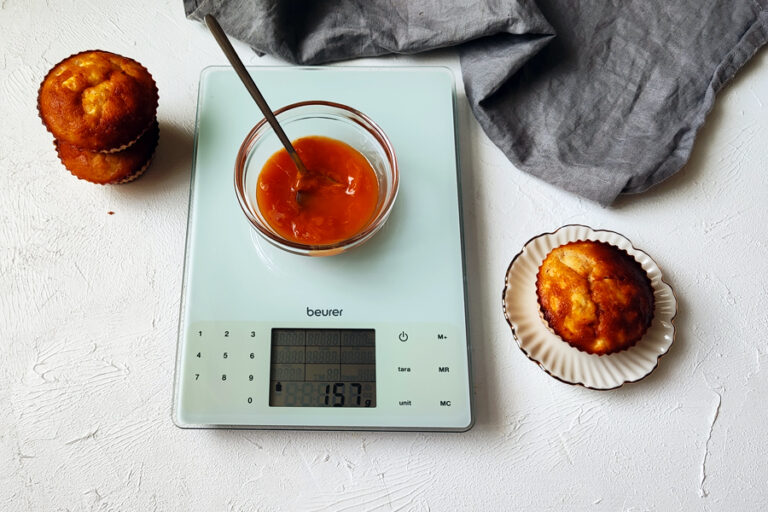
- 1 sugar-free muffin
- 2 Sugar-Free Walnut Tartlets
- 1 slice of Sugar-Free Apple Pie
Lunch
Lunch, eaten three hours after your mid-morning snack, should contain a larger amount of slow-absorbing carbohydrates, protein, and fat.
Lunch ideas
- 100 g brown rice, 100 g roasted chicken breast, 2 large handfuls of mixed salad with roasted pumpkin seeds
- 100 g bulgur, 1 can of light tuna, 1 tomato, 1 handful of salad, cucumber
Snack
Three hours after lunch, it is important to normalize your blood sugar level again. A few slow-absorbing carbohydrates, more fast-absorbing carbohydrates, and protein are recommended.
Afternoon fruits (such as strawberries, blueberries, oranges) are also a good choice. At this time, eat fruit for the last time during the day.
Salty snack ideas
- 2 slices of puffed brown rice, 2 slices of high-protein ham, cucumber
- 2 slices of puffed brown rice, 2 slices of light cheese, cucumber
- ½ bag of brown rice chips
- 1 carton of kefir, 1 whole grain croissant, 1 slice of cheese
- Crispbread with avocado cream
- 4 Cheesy Breadsticks with whole wheat flour
- Mini Eggplant Pizzas
Sweet snack ideas
- 1 plain yogurt, 20 g oatmeal, 1 handful of blueberries, raspberries or strawberries
- chocolate porridge with a pinch of cinnamon
- oat pancakes (made from oat flour)
- Sugar-free blueberry muffins
- Greek yogurt dessert with fruit and sponge cake
Dinner
It is important not to eat heavy meals 2-3 hours before bedtime, because if your body has to struggle with breaking down fatty foods and digestion at this time, it will have to devote its energy to this instead of getting a restful sleep and optimizing your hormone balance, which actually promotes weight loss.
Do not eat fruit in the evening, as the fermenting substances it contains also burden the digestive system.
The most important thing at this time is to consume the right amount of protein. A light salad with chicken breast, egg whites or fish, or a protein shake, low-fat quark or cottage cheese are good options.
Some people need slow-absorbing carbohydrates for dinner as well – you will have to find out for yourself (if you sleep well and can lose weight, then feel free to eat whole grain bread or pasta at this time). However, you should significantly reduce your fat intake, as your metabolism slows down at this time and your body stores fat more easily.

e-book (pdf)
Chicken Breast Recipes
I’ve collected my favorite chicken breast recipes into one practical and inspiring booklet. If you’re looking for healthy, delicious, and easy lunch or dinner ideas, this is a must-have addition to your kitchen.
Perfect for those who want to eat healthier, and enjoy a more balanced lifestyle.
Dinner ideas
- Diet chicken breast salad Roasted chicken breast with mixed salad and natural yogurt dressing
- Roasted chicken breast with steamed or raw vegetables
- 2 slices of puffed brown rice, 2 slices of high-protein ham, cucumber
- 2 slices of puffed brown rice, 2 slices of light cheese, cucumber
- 1 whole wheat tortilla, roasted chicken breast, plain yogurt dressing, 1 handful of salad
- Minestrone soup
- Chicken salad with avocado cream and salty granola
- Celery and lentil salad with Kentucky spicy chicken breast
- Simple broccoli tuna salad
Lifestyle tips to support your metabolism
- Regular exercise (combination of weight training and cardio training).
- Sufficient sleep – stabilizing hormone balance.
- Stress management – reducing cortisol levels.
- Regular, balanced meals (don’t skip breakfast).
Recommended reading
Mediterranean diet
Learn about the Mediterranean diet, which also emphasizes eating fiber-rich foods. Read my article: >> Mediterranean Diet Food List and Tips
Fiber-rich diet
If you would like to learn more about fiber-rich nutrition, I recommend this book: Erzsébet Soltész and Zoltán Gajda: Fiber is Good! Interesting facts about dietary fiber, with 60 fiber-rich recipes.
Sports, exercise

How much should you exercise and what kind of exercise should you do? Find out here: >> Exercise tips
Summary
You can’t “cheat” your metabolism, but you can support it with adequate protein intake, fiber-rich foods, spices, and regular exercise. Yes, it requires attention. No, you can’t rush through it. You have to work at it. Do it for yourself, not just to lose weight, but also to be more energetic and feel better about yourself.
I am confident that these tips and recipes will help you boost your metabolism.
Attention!
I would like to clarify that as a food blogger and certified nutritionist, I share information that is primarily intended for healthy people and aims to prevent disease and support disease prevention. My activities are not a substitute for medical advice.
Please read this: Disclaimer