
Protein-rich foods – why and how should we incorporate them into our diet?
Protein is one of the most important building blocks of our body. Not only is it essential for building and maintaining muscles, but it also participates in a number of vital processes: it supports the immune system, hormone production, and skin and hair health. It even plays a key role in weight loss, as protein-rich foods increase feelings of fullness and help maintain muscle mass.
Why is it important to pay attention to protein intake?
Long-lasting satiety – it is digested more slowly, so you are less likely to snack.
Metabolism support – protein digestion requires more energy, which has a mild metabolism-boosting effect.
Muscle preservation during weight loss – helps maintain muscle tone even when there is a calorie deficit.
Hormonal balance – adequate protein intake is especially important during menopause, as it can help slow down muscle loss.
List of natural, protein-rich foods
Animal sources:
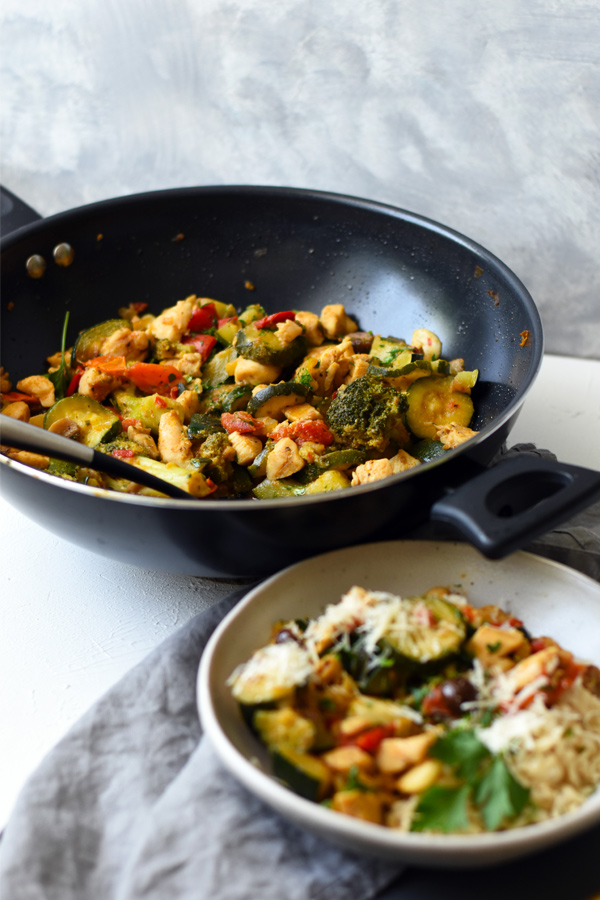
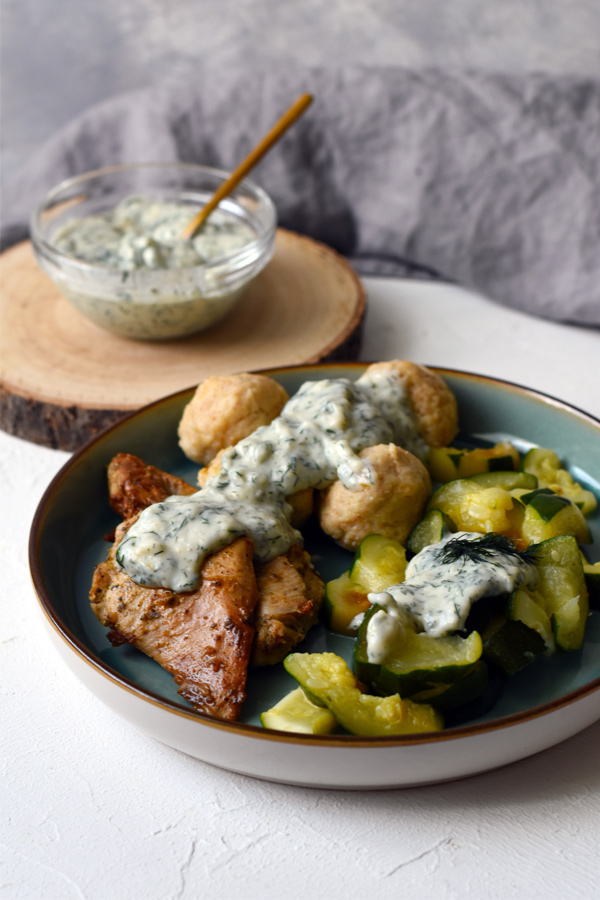
Chicken breast, turkey breast – low fat content, high biological value protein.
Eggs – a prime example of “complete protein.”
Fish – salmon, tuna, cod; rich in not only protein but also omega-3 fatty acids.
Low-fat dairy products – cottage cheese, Greek yogurt, kefir.
Plant-based sources:
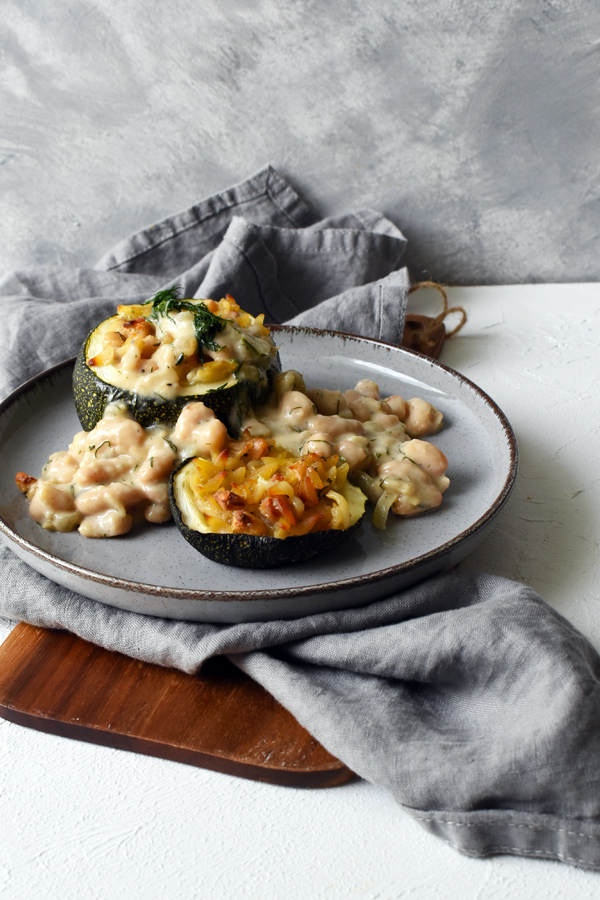
Legumes – lentils, chickpeas, beans; they also provide fiber.
Quinoa – a rare plant-based source of complete protein.
Nuts and seeds – almonds, pumpkin seeds, sunflower seeds.
Soy products – tofu, tempeh.
How to incorporate it into your daily diet?
For breakfast: Greek yogurt with berries and a handful of almonds.
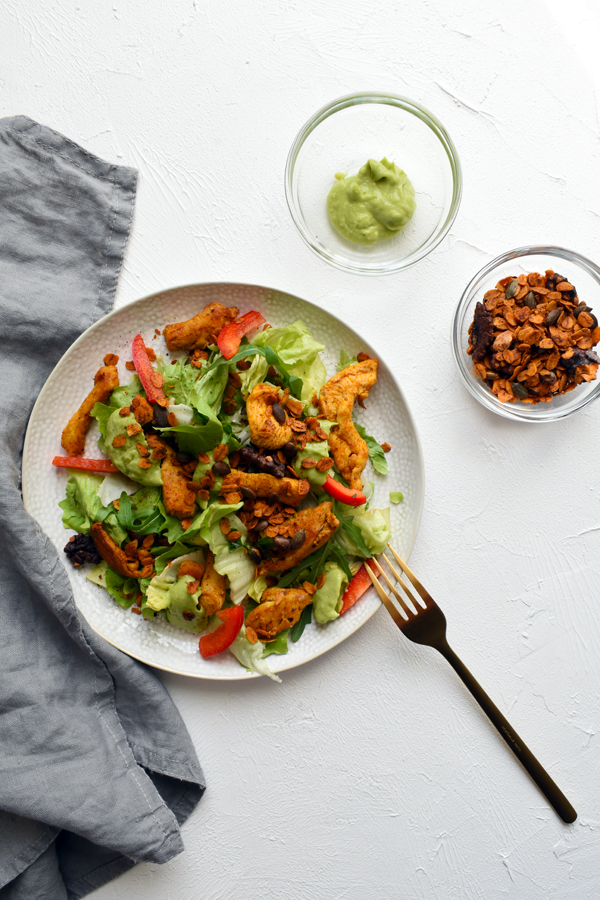
For lunch: chicken breast with salad and cooked quinoa.
For a snack: cottage cheese with fresh vegetables and flax seeds.
For dinner: baked salmon with steamed broccoli.