
Winter diet guide
How to eat healthy during the cold months?

Winter foods can help you stay energetic and motivated, but what you eat really matters! In this post, I’ll share my personal experiences and favorite meals for the colder months. Read on and get inspired!
What should you pay attention to in winter?
You may not be able to change the cold and dark weather, but you can certainly take control of your diet. The foods you eat affect your mood and determine your energy levels, ultimately influencing your productivity and resilience. That’s why it’s especially important to pay attention to what you eat during the winter months. A drastic diet can take a toll on both your body and your mind. Remember, your body needs more vitamins this time of year, your soul craves an extra dose of happiness, and your body requires more rest and recovery – since external factors tend to drain your energy more easily.
January Diet – Is Everyone Doing It Wrong?
January is one of the most dreaded months of the year. It’s the darkest, the coldest, and no matter how much you look forward to spring, you still have to make it through February first. Warm weather feels far away. But it’s not just the sunshine you’re missing – January has no holidays to lift your spirits and no long weekends like the ones you enjoyed in December. No matter how optimistic you are, there’s little to love about the first month of the year.
And yet, during this gloomy, freezing time, you decide to torture yourself with a diet that deprives you of the delicious foods that used to make you feel better? I say – don’t do it!
There’s a smarter way. You don’t need another restrictive diet; what you really need is a lifestyle change. That’s exactly why I created my e-book, “Eat and Lose Weight – A Practical Guide to Weight Loss.” It can help you too, especially if you’ve been dieting for years but the scale keeps showing higher numbers than when you first started.

Legnépszerűbb:
Életmódváltó csomag
Ebben a tudáscsomagomban ahhoz szeretnék neked gyakorlati tanácsokat adni, hogy hogyan alakítsd ki te magad a saját, személyre szabott diétás étrendedet. Mindezt kínkeserves éhezés és bonyolult méricskélések nélkül. Ne feledd, a cél az, hogy egy olyan étrended legyen, amit hosszú távon, könnyedén be is tudsz tartani, mert a zsírpárnáktól való tartós megszabaduláshoz idő kell!
Things to keep in mind when starting a Lifestyle Change in winter
1. Calories = Energy
During the colder months, your body needs nourishing, filling foods to cope with the low temperatures. A light salad won’t get you through the winter. What you really need are nutrient-rich ingredients full of healthy fats that warm you from the inside. Boost your winter salads with boiled eggs, toasted walnuts, sunflower seeds, pistachios, avocado, flaxseed oil, olive oil, or tuna in olive oil.
And don’t limit yourself to salads – you can enjoy almost any meal prepared in a healthy, fitness-friendly way.
Check out my healthy winter recipes here.
2. Vitamins
In winter, your body has to deal not only with the cold but also with viruses and the lack of sunlight. The following vitamins can be your best allies:
Vitamin C
It strengthens your immune system, increases the number and activity of white blood cells that fight off pathogens, and helps reduce the symptoms of colds and flu. It also lowers blood cholesterol levels, reducing the risk of heart disease.
Rich sources: citrus fruits, oranges, kiwi, raspberries, grapefruit, cabbage, peas, asparagus, blackcurrant, and rosehip.
Vitamin D
Your body produces vitamin D when exposed to sunlight. By the end of winter, most people’s vitamin D levels are very low because their fat stores become depleted within 2–3 months without sunlight. Once sunny days return, your body can replenish its stores naturally.
Found in: fatty fish, fish liver, egg yolk, and fortified foods such as cereals, dairy products, and margarine – though it’s hard to get enough through diet alone. That’s why taking a vitamin D supplement during the winter may be a better option.
Omega-3 and Omega-6
These essential fatty acids support a healthy metabolism, help regulate blood sugar, and promote strong, shiny hair, healthy skin, and nails. They can also help reduce menstrual pain in women.
Sources: flaxseed oil, walnuts, fish, peanuts, peanut butter, and egg yolk.
Calcium
Calcium not only strengthens bones but also aids fat metabolism by improving digestion and reducing water retention.
Sources: milk and dairy products, leafy greens (spinach, kale, broccoli, chard, dill, parsley, basil), legumes, nuts, and seeds. Regular consumption helps maintain a lean figure and prevents osteoporosis and yellowing teeth.
Magnesium
Magnesium plays a key role in nerve and muscle function as well as in cellular oxygen supply – which means it’s essential for fat burning, as fat cannot be metabolized without oxygen.
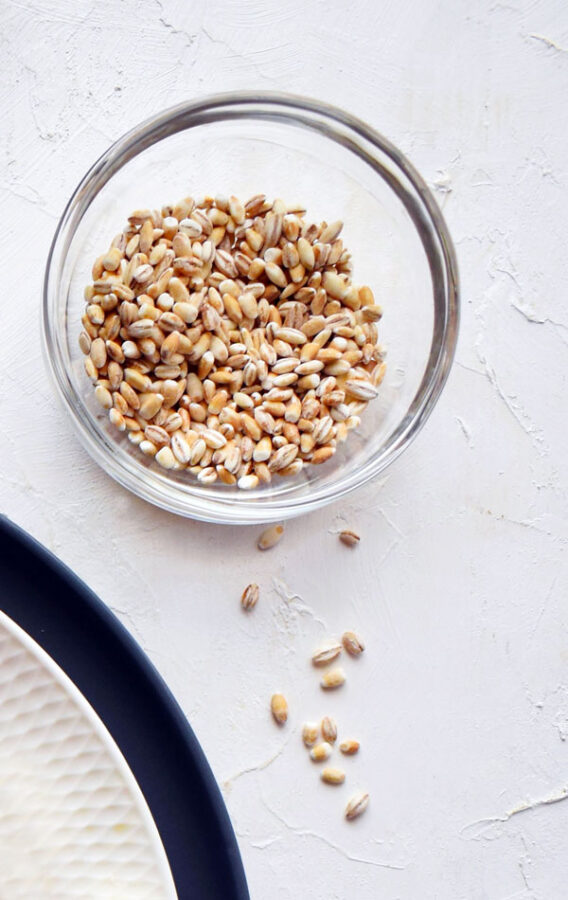
Sources: unhulled seeds, whole grains, brown rice, millet, sprouts, and legumes.
3. Eat more yellow and red foods
If “color therapy” exists for food, then yellow and red are the go-to shades for the winter season. Orange tones energize, revitalize, and radiate warmth and activity. They enhance your joy for life, curiosity, optimism, and creativity – exactly what your body and soul need during the darkest months of the year.
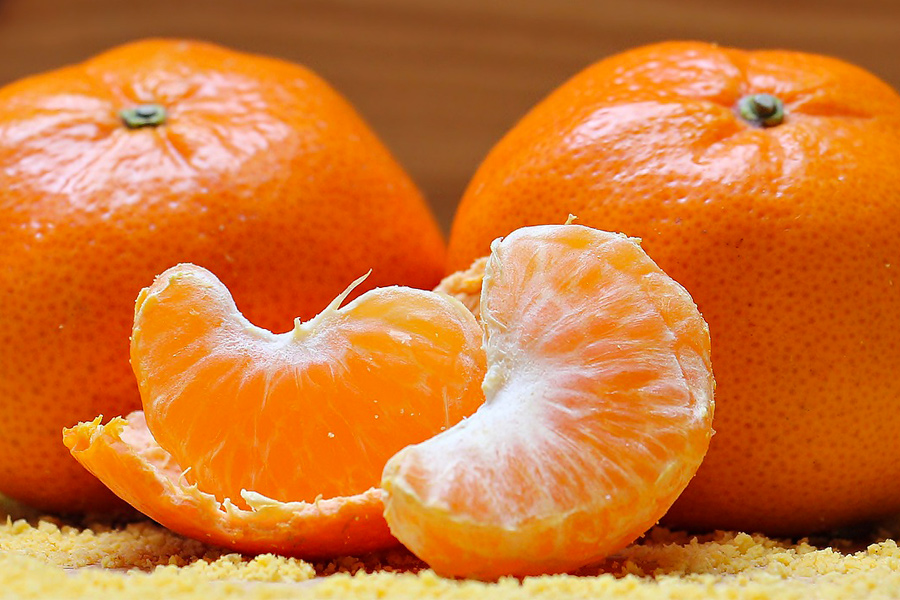
Orange, healthy winter foods: tangerine, orange, grapefruit, carrot, sweet potato, pumpkin, mango
The color lemon yellow represents cheerfulness, happiness, vitality, and lightness.
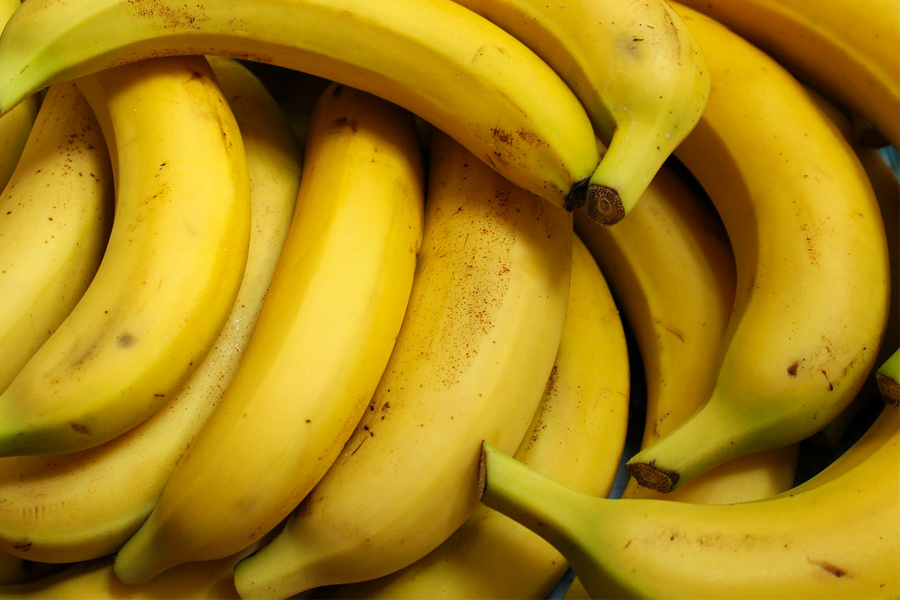
Lemon yellow, healthy winter foods: lemon, banana, pineapple, corn, bell pepper
The color red is energizing and radiates warmth, activity, and dynamism. It boosts alertness, reduces fatigue, and intensifies emotions. Some say restaurants use red tones to create a lively atmosphere and stimulate appetite.
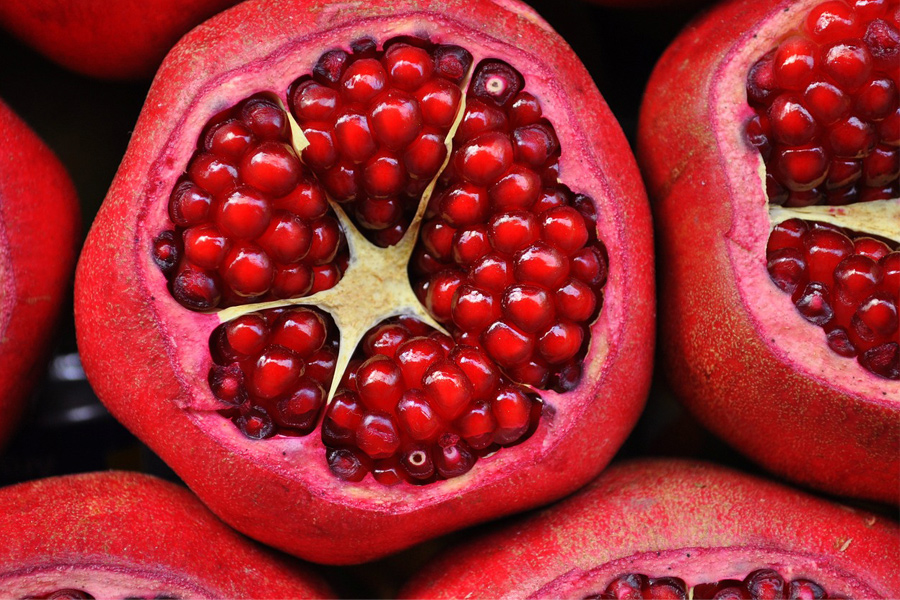
Red, healthy winter foods: beetroot, pomegranate, chili, red beans
4. Eat it warm!
Hot soups and warm drinks not only fill you up but also keep you energized and cozy for a long time. Don’t give them up just because you’re trying to lose weight – they fit perfectly into a healthy lifestyle change!

On my blog, you’ll find recipes like fitness-style Frankfurt soup or Chicken ragout with tarragon, both made without white flour or refined sugar.
5. Choose sugar-free sweets!
When you think of sugar-free desserts, you might imagine bland, artificial-tasting sweets. But if you haven’t yet tried truly delicious, guilt-free treats – the kind you’d never guess were made without traditional ingredients – then you’ll love my “Fitness Desserts” e-book. You’ll find recipes for pancakes, energy balls, hot chocolate, and marzipan bonbons, all in a healthy version.

e-book (pdf)
Fitnesz Édességek
Ez a könyv tele van szuper receptekkel, hogy bűntudat nélkül élvezhesd a sütizést. Ideális választás életmódváltóknak, diétázóknak vagy bárkinek, aki szeret egészségesen nassolni.
Healthy winter foods
Nutritious meals help you get through the cold months. Use the following ingredients generously during winter – they’re packed with fiber, vitamins, and minerals. When prepared well, their flavors will lift your spirits and make healthy eating a pleasure.
Root vegetables: beetroot, carrot, celery root, parsnip, Jerusalem artichoke
Cabbage varieties: white cabbage, red cabbage, kale, bok choy, Brussels sprouts, and sauerkraut
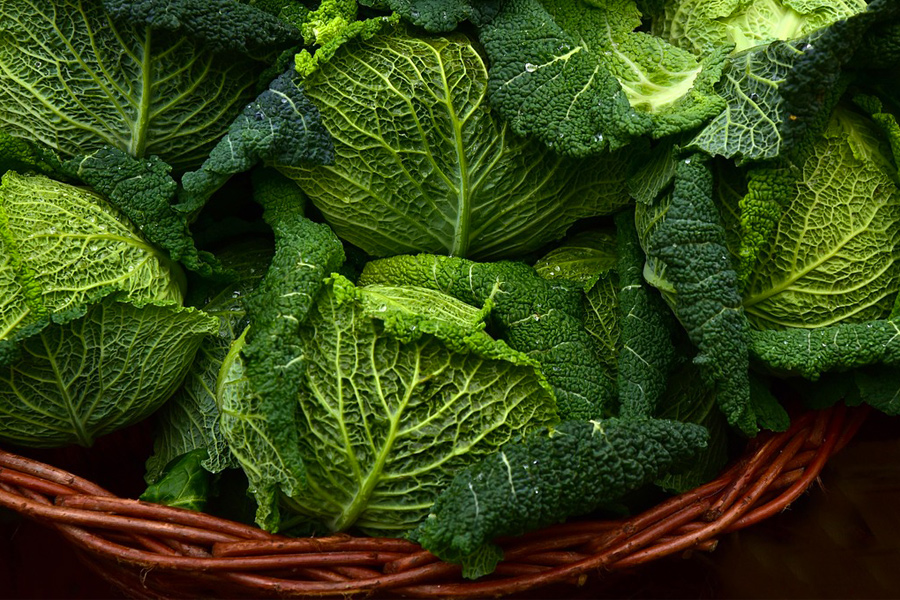
Other vegetables: cauliflower, broccoli, kohlrabi
Legumes: chickpeas, green peas, beans, lentils, yellow split peas
The most beneficial fruits this time of year are citrus fruits (orange, tangerine, blood orange), but don’t forget kiwi and pomegranate either!
Whenever possible, eat your fruits raw. You can also blend them into smoothies – and if you’re making a green smoothie, toss in some vegetables, too.
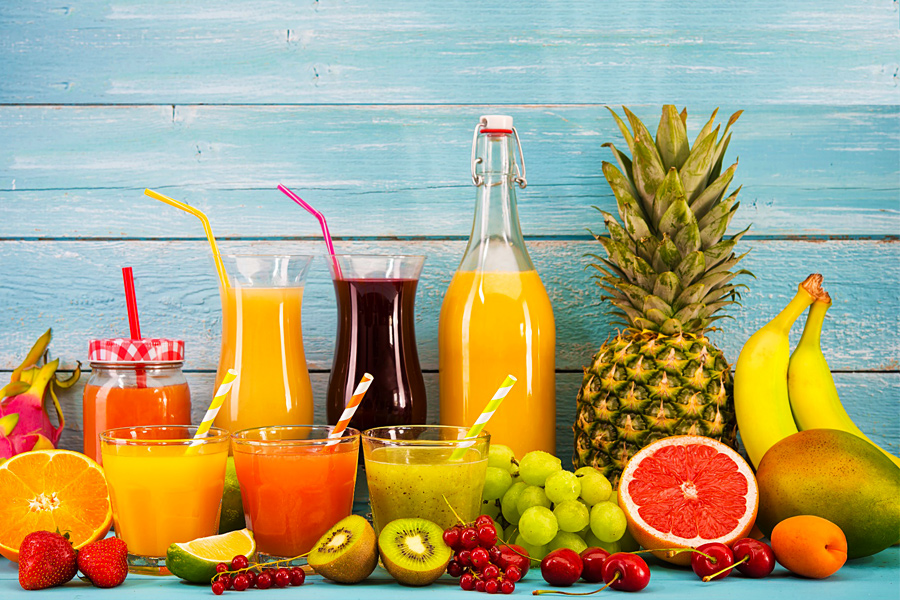
Try my Green Smoothie for weight loss!
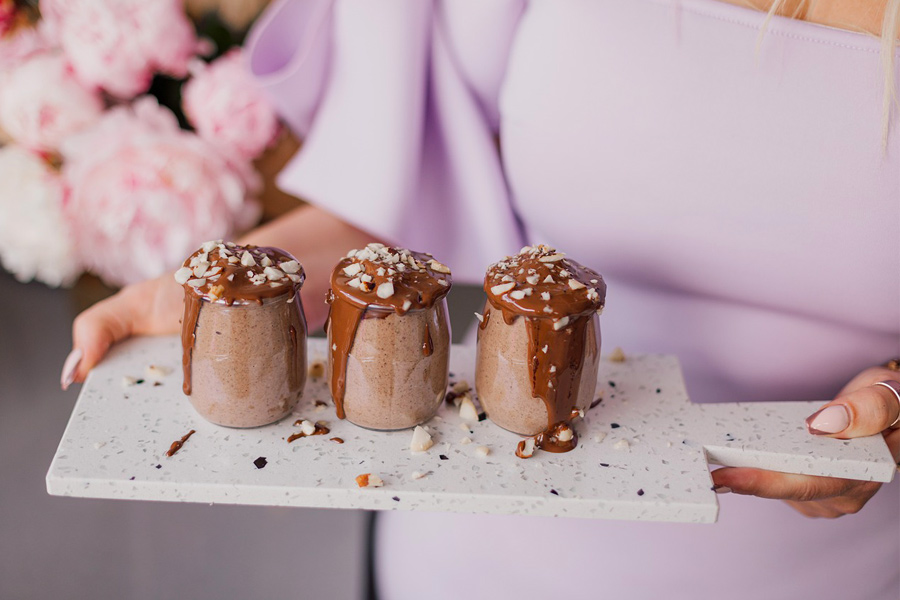
You can also use fruits in desserts – for example, try my Winter Dessert Parfait!

Is spring a better time to start a lifestyle change?
It doesn’t matter whether you decide to change your lifestyle on January 1st or March 1st – what matters is not when you start, but how long you keep going. If you quit after a week, that’s not a lifestyle change; it’s just another short-term diet. And as often happens, the lost weight tends to come back – sometimes with extra kilos, thanks to the yo-yo effect.
Spring can make lifestyle changes easier, though. The warmer weather, sunshine, and fresh greenery all have a positive effect on our mood, making it easier to adopt new habits. In January and February, however, external factors make us crave comforting, warming foods. A bowl of hot soup or a citrus-scented cake can truly lift your spirits. You don’t have to give them up – you just need to learn how to stop at one portion and how to prepare them in a healthy way.
For more help with this, check out my Lifestyle Change Package!
Legnépszerűbb:
Életmódváltó csomag
Ebben a tudáscsomagomban ahhoz szeretnék neked gyakorlati tanácsokat adni, hogy hogyan alakítsd ki te magad a saját, személyre szabott diétás étrendedet. Mindezt kínkeserves éhezés és bonyolult méricskélések nélkül. Ne feledd, a cél az, hogy egy olyan étrended legyen, amit hosszú távon, könnyedén be is tudsz tartani, mert a zsírpárnáktól való tartós megszabaduláshoz idő kell!