
Mediterranean diet food list and tips
With a shopping list

The Mediterranean diet continues to enjoy unbroken popularity. This comes as no surprise. On the one hand, we love Italian and Greek flavors: anything that comes from the sun-kissed Mediterranean is welcome! On the other hand, numerous studies have confirmed its health benefits, such as reducing cardiovascular disease, anti-inflammatory effects, weight loss, and overall longevity and better quality of life. This is further enhanced by the “little extra” that makes this diet easy to follow. It sounds too good to be true, right? Before you get started, it’s good to know if it’s really that effective and healthy. Can you really lose weight with it? And what can you eat? I was very curious about these questions myself. I did some research and summarized my findings. At the end, I even collected a bunch of Mediterranean diet recipes for you.
Table of Contents
- Mediterranean passion
- Does the Mediterranean diet mean a pasta diet?
- Where does this dietary pattern originate?
- Since when has the Mediterranean diet existed?
- The basis of the diet is plant-based foods
- What about meat and dairy products?
- Fish and seafood
- Drinks
- What can you eat?
- What should you avoid?
- How much of each food?
- Physical activity
- Mediterranean lifestyle
- Health benefits of the Mediterranean diet
- Practical tips for everyday life
-
10 steps to follow the Mediterranean diet
- 1. Eat plenty of vegetables
- 2. Rethink your approach to meat
- 3. Eat dairy products in moderation
- 4. Eat fish and seafood twice a week
- 5. Have a vegetarian meal once a week
- 6. Use healthy fats
- 7. Switch to whole grains
- 8. Eat fresh fruit for dessert
- 9. Drink water
- 10. Stay physically active and maintain a social life
- Mediterranean diet shopping list
- Common mistakes to avoid
-
10 steps to follow the Mediterranean diet
- Mediterranean diet recipes
- Summary
Mediterranean passion
Like many of us, I have my own attraction to Italian food. Pasta, pizza, and mozzarella come to mind when I think of Mediterranean cuisine. I can almost smell the heavenly aroma of basil and roasted garlic, or taste the juicy, sun-kissed tomatoes in my mouth. But that’s not all that comes to mind when I think of Italian cuisine. I also think of Jamie Oliver’s Mediterranean recipes, which I watched on TV with a mixture of admiration and curiosity as a child. I think it was the influence of Italian gastronomy that made me start learning Italian alongside English. Not much of it has stuck with me today, but I did pass the language exam and have the certificate tucked away in a drawer. The point is not that, but that perhaps you also have a subconscious fascination with Italian cuisine, or Mediterranean things in general. If nothing else, then perhaps the happy memories of a successful vacation play a role. I’m sure you also have Mediterranean flavors, experiences, and carefree moments.

Does the Mediterranean diet mean a pasta diet?
When I first heard the term “Mediterranean diet,” pasta immediately came to mind. I thought it must be another trendy diet where you can eat pasta. Since I love pasta dishes (honestly, who doesn’t?), this diet piqued my curiosity. After reading up on it, I realized that it’s not just about pasta at all. The Mediterranean diet is much more serious and complex, but don’t even think for a second that it’s a strict diet. It’s more of an eating pattern.
Where does this dietary pattern originate?
This pattern has been observed in countries located on the Mediterranean coast (e.g., Crete, Greece, and southern Italy). They were chosen because, in the mid-20th century, these countries had low rates of chronic disease and higher than average life expectancy among adults. This was despite their limited access to healthcare. It was believed that their diet – mainly fruits and vegetables, beans, nuts, whole grains, olive oil, small amounts of dairy products, and red wine – contributed to their health benefits. Daily exercise and the beneficial social aspects of communal meals were also studied.
However, despite the common pattern, they also found that the diets of these countries differ slightly, so there are different versions of the Mediterranean diet. These many variations are summarized in the Mediterranean diet pyramid, which was introduced in 1993 by the Harvard School of Public Health, the Oldways Preservation and Exchange Trust, and the World Health Organization’s European Office.
Since when has the Mediterranean diet existed?
Did you notice that the year was 1993? That was a long time ago. In fact, it was even earlier, because the term “Mediterranean method” appeared as early as 1959. Although the history of the diet goes back several decades, Mediterranean cuisine was added to UNESCO’s list of intangible cultural heritage in 2010, and 2020 was the year when an American professional organization chose the Mediterranean diet as the healthiest diet. So, the Mediterranean diet has come a long way to become so popular. My hypothesis is that the Covid-19 pandemic also contributed to its popularity, as there was a growing demand for healthy eating and dieting after that. Many people were looking for ways to develop a healthy lifestyle, and the Mediterranean diet was a good option. (It still is today. )
After a brief detour, let’s move on!
The basis of the diet is plant-based foods
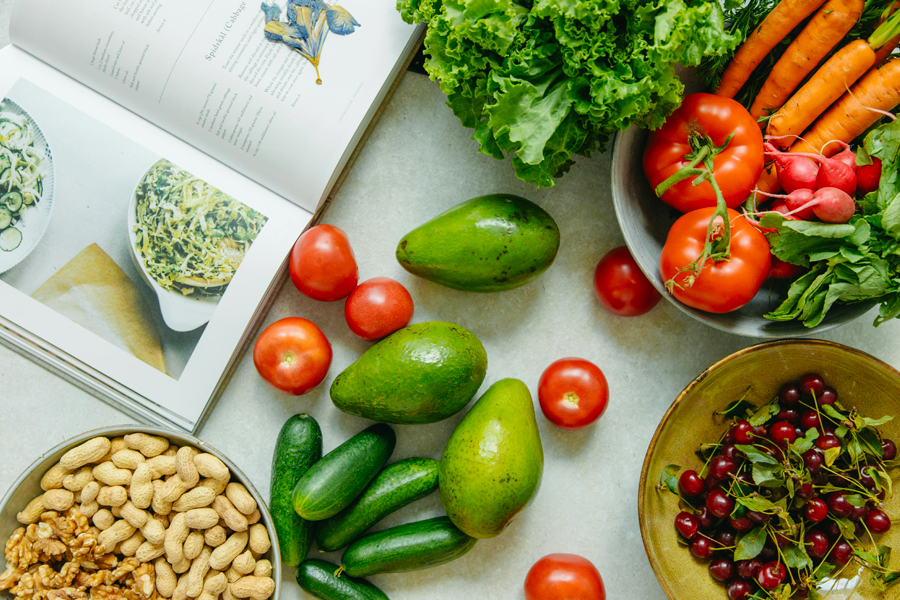
The Mediterranean diet is primarily a plant-based way of eating that includes the daily consumption of whole grains, olive oil, fruits, vegetables, beans and other legumes, nuts, herbs, and spices. Seasonal vegetables, fresh fruits, and fiber-rich legumes play a particularly important role. However, this doesn’t mean that those who follow the Mediterranean diet are vegetarians.
What about meat and dairy products?
In Mediterranean countries, fish is considered the main source of animal protein, which is why it’s recommended to eat it at least twice a week. Poultry, eggs, and dairy products (such as cheese or yogurt) are also included as sources of animal protein but in smaller portions, consumed daily or a few times a week. In contrast, red meat is eaten only occasionally.
Fish and seafood
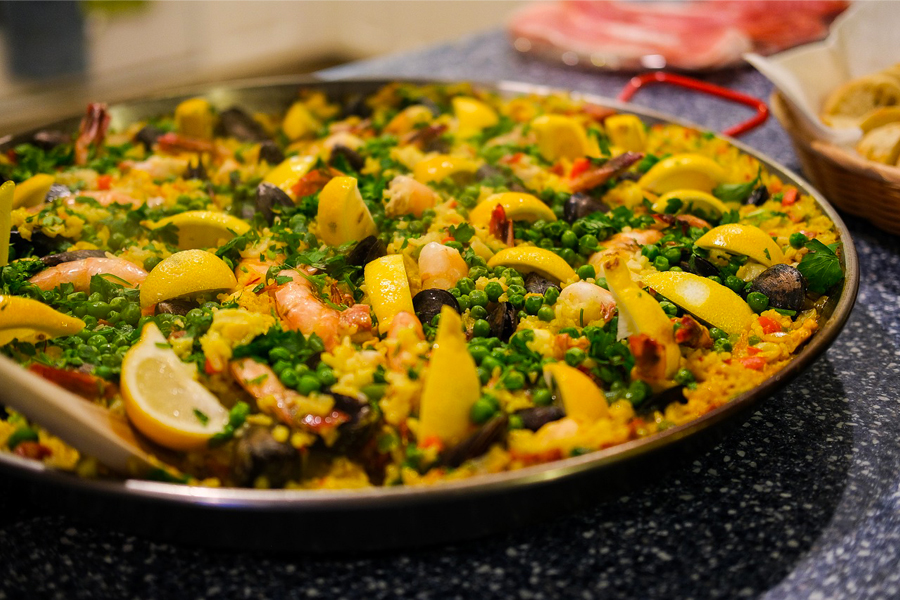
It’s clear that fish and seafood are their favorite sources of animal protein. Unfortunately, in our region, fish has become almost unaffordable, and the problem isn’t just the price – it’s also the difficulty of finding good-quality, fresh fish. Most people only know the frozen or canned varieties. In Mediterranean countries, however, these are typically eaten fresh:
- mackerel
- herring
- sardines
- albacore tuna
- salmon
- anchovies
- cod
- mussels
- shrimp
- crab
- lobster
Drinks
The Mediterranean diet favors the following:
- water
- coffee and tea – without sugar or with only a small amount of sugar and cream
- red wine – in moderation, typically with meals
- freshly squeezed fruit juices – without added sugar
As a main daily drink, water is recommended, but some guidelines suggest consuming wine in moderation with meals – one to two glasses per day for men, and one glass per day for women. However, recent studies question the idea that even a small amount of alcohol benefits the heart. A large study found that people who regularly consumed any amount of alcohol had a higher risk of high blood pressure and coronary artery disease. The more alcohol they consumed, the greater the risk. I believe it’s up to each individual to decide whether alcohol fits into their lifestyle. One thing to keep in mind is that alcohol adds extra calories, which can hinder weight loss.
What can you eat?
In short, if you want to follow a Mediterranean diet, focus on these points:
- Favor fresh, natural ingredients.
- Let plants dominate your plate instead of meat (vegetables, fruits, legumes, nuts, seeds).
- Use healthy fats (extra virgin olive oil, oily seeds and nuts, fish).
- Eat high-fiber foods every day (for example, beans, lentils, whole-grain bread, beets, seeds, etc.).
- Balance your protein sources (little red meat, more fish and poultry).
- Consume dairy products (yogurt, cheese, milk, etc.) in moderation.
- Choose whole-grain products instead of refined breads and pasta.
- Drink alcohol in moderation, mainly red wine, according to cultural customs.
What should you avoid?
Strict prohibitions don’t really exist in the Mediterranean diet, but it’s recommended to limit the following:
- Red and processed meats (such as cold cuts, bologna, sausages, hot dogs, etc.)
- Sugary sweets
- Processed foods (for example, white bread, chips, snacks, and all convenience meals)
- Beers and liqueurs
- Sugary soft drinks
How much of each food?
Although the pyramid shape suggests the proportion of foods to eat (for example, more fruits and vegetables and fewer dairy products), it doesn’t specify portion sizes or exact amounts. The precise quantity for each meal should be decided individually, as it depends on physical activity and body size.
Physical activity
The Mediterranean lifestyle also emphasizes daily exercise, but this means engaging in activities that are enjoyable and fun. Think of a pleasant walk or a bike ride, not driven by competition, but by the desire to connect with nature or spend time with friends.
Mediterranean lifestyle
The Mediterranean diet is about more than what’s on your plate. It represents a mindset and a way of life, with social interaction playing an important role. Families and friends eat together – without constantly checking their phones – paying attention to each other rather than devices. They eat slowly and converse, sharing what’s happening in their lives. Honestly, moments like these are often seen only in movies. Think of films like Eat Pray Love or It’s Complicated.
Health benefits of the Mediterranean diet
Following a Mediterranean diet offers numerous health benefits, supported by research.
- Reduced risk of cardiovascular disease:
The Mediterranean diet effectively lowers the risk of cardiovascular diseases. A study involving nearly 26,000 women found that those who followed this diet had a 25% lower risk of developing cardiovascular disease over 12 years. Similar results were seen in a meta-analysis of 22,000 women, where the most adherent to the Mediterranean diet had a 24% lower risk of cardiovascular disease and a 23% lower risk of premature death. The PREDIMED study found that a Mediterranean diet supplemented with extra virgin olive oil or nuts reduced stroke-related mortality by 30%, even without calorie restriction. - Reduced risk of diabetes:
The PREDIMED study also showed a lower risk of type 2 diabetes among those following the Mediterranean diet. - Longer lifespan:
The Mediterranean diet has been linked to longer life. Telomeres – parts of DNA involved in cellular aging – were longer in women who closely followed the Mediterranean diet. Another study found that women who ate in a Mediterranean-style way were 46% more likely to live healthily to age 70. - Improved cognitive function:
Research suggests that the Mediterranean diet may have beneficial effects on brain function and cognitive health. - Healthy aging:
The Mediterranean diet supports healthy aging. - Anti-inflammatory effects:
The diet has anti-inflammatory properties. - Weight management:
When combined with calorie restriction, the Mediterranean diet can help achieve a healthy body weight. Likely due in part to higher olive oil intake and reduced processed food consumption, this diet promotes satiety and allows for long-term adherence.
Practical tips for everyday life
Here are some practical tips for those planning to adopt the Mediterranean diet. These 10 steps can help you get started:
10 steps to follow the Mediterranean diet
1. Eat plenty of vegetables
Include vegetables in your diet every day. For breakfast, add a generous portion of salad to your sandwich. At lunch, feel free to serve a salad alongside your main dish, or steam/roast some vegetables. For snacks, you can munch on raw carrots (even dipped in hummus). At dinner, you can also have a sandwich accompanied by a large portion of salad or fresh seasonal vegetables like cucumber, tomato, bell pepper, or radish. You can also enjoy a serving of vegetable soup for dinner – for example, Minestrone soup is a great choice.
2. Rethink your approach to meat
If you eat meat, consume smaller portions. Use it as a side rather than the main component of your meal, or choose a smaller serving with your main dish. Limit red meat intake.
3. Eat dairy products in moderation
Fermented dairy products are common in the Mediterranean region. Choose plain Greek yogurt and small amounts of traditional, artisanal cheeses. Keep dairy consumption moderate.
4. Eat fish and seafood twice a week
Fish such as tuna, salmon, and sardines are rich in omega-3 fatty acids. I know that getting good-quality, fresh fish can be difficult locally. If fresh fish isn’t available, canned tuna can be a practical alternative.
5. Have a vegetarian meal once a week
Designate one day as a vegetarian day, completely omitting meat. Base your recipes on beans, whole grains, and vegetables, and enhance their flavors with aromatic Mediterranean herbs and spices.
6. Use healthy fats
Sources of healthy fats include extra virgin olive oil, nuts, peanuts, sunflower seeds, olives, and avocado. Olive oil is recommended as the primary added fat, replacing other oils and fats such as butter or margarine.
7. Switch to whole grains
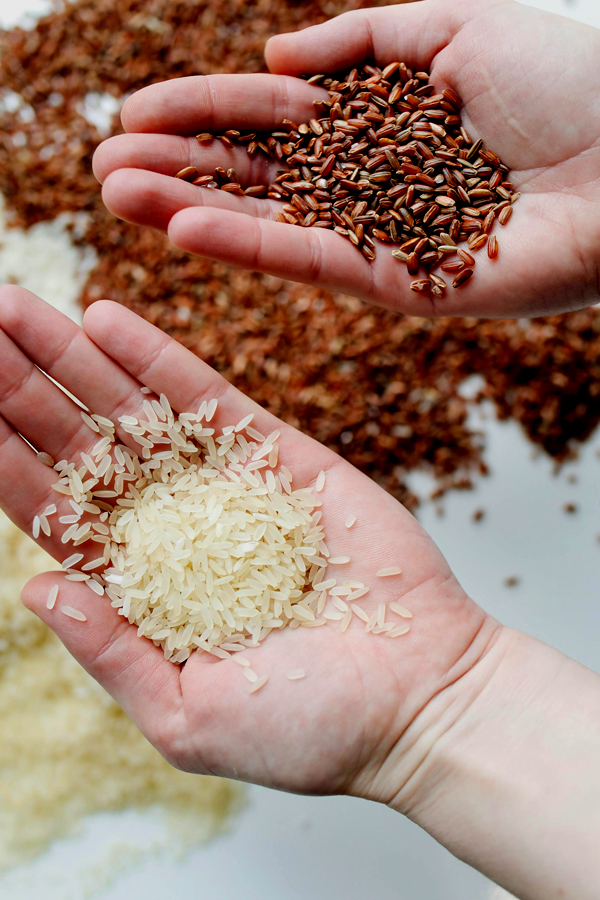
Whole grains, such as bulgur and brown rice, are healthier, providing more fiber, protein, and essential nutrients than their refined counterparts.
8. Eat fresh fruit for dessert
Choose from a variety of Mediterranean fruits – from fresh oranges to pomegranates, grapes, and apples – and save sweets for special occasions or celebrations. There’s no need to eat pastries every day. I have already written about this here: >>> Giving up sugar can bring 15 wonderful things into your life
9. Drink water
Make water your main beverage every day.
10. Stay physically active and maintain a social life
Choose a sport that you can do regularly. Ideas here. Organize meals with your family or friends.
Mediterranean diet shopping list
Which ingredients should you always have at home if you follow the Mediterranean diet?
This list isn’t exhaustive, but these items can be useful:
Shopping list
Common mistakes to avoid
If you want to lose weight, it’s not enough to focus only on what you eat – you also need to pay close attention to portion sizes. When combined with calorie control, the Mediterranean diet can support healthy weight loss, but ignoring portion sizes may lead to weight gain.
Mediterranean diet recipes
On my blog, you can find numerous recipes that fit into the Mediterranean diet. Here are a few selected ideas for Mediterranean-style breakfasts, lunches, and dinners!
Breakfast recipes
- Mozzarella Grilled Cheese sandwich
- Fitness tuna spread sandwich
- Simple tortilla filling: fried egg with Italian-style sauce
- Feta zucchini cream
Lunch recipes
- Mozzarella and tomato pasta
- Heavenly grilled vegetables with chimichurri sauce and couscous
- Tuna pasta salad
- Tuna couscous salad with asparagus
- Sicilian tuna lasagna – fitness recipe
- Spaghetti with avocado cream
- Spinach and feta lasagna with pumpkin
- Roasted cauliflower with spinach, barley, and ricotta
- Fitness gnocchi with pistachio broccoli sauce
- Healthy tomato spaghetti
Dinner recipes
- Summer salad: arugula with mozzarella, peach, and ham
- Mozzarella salad with tomato and chimichurri sauce
- Simple broccoli tuna salad
- Tortilla roll with feta cheese and Hungarian-style sauce
- Easy autumn salad with pumpkin
- Baked zucchini fritters
- Minestrone soup
- Vegetarian grill platter with tzatziki salad
Snack idea
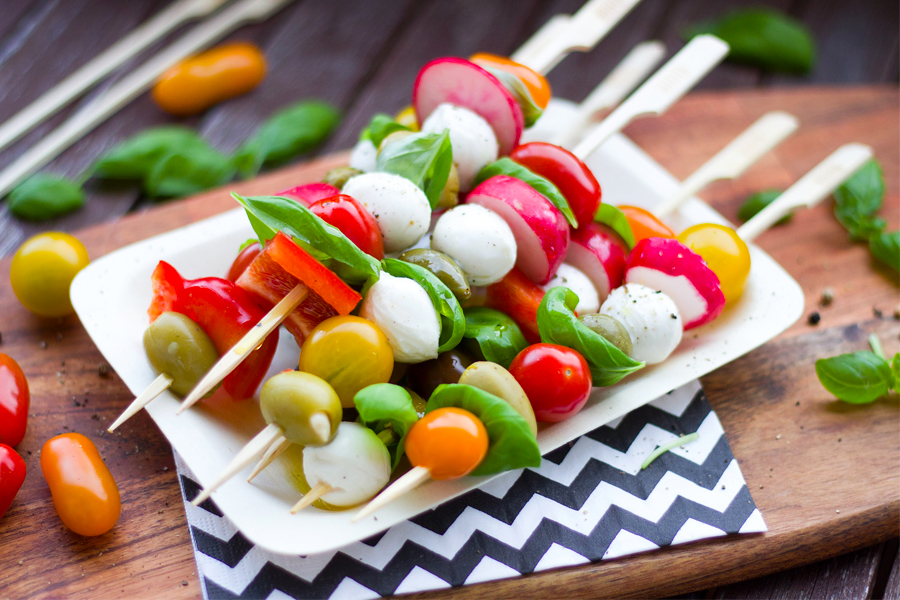
Choose from these for your mid-morning snack or afternoon tea:
- Oily seeds with fruit – for example, apples with walnuts, pears with hazelnuts, etc.
- Bananas
- Citrus fruits
- Grapes
- Berries such as blueberries or strawberries with Greek yogurt
- Raw carrot slices with hummus
- Mozzarella with tomatoes
- Avocado cream with crackers
Summary
The Mediterranean diet is not specifically designed for weight loss, but rather as a healthy eating pattern. It favors plant-based recipes, healthy fats, legumes, and fish. However, if you eat more of these than you need in terms of calories, you will gain weight despite eating healthily.
Overall, I consider the Mediterranean diet to be good and beneficial, but I think we need to adapt it to the foods available in our own country. We need to use ingredients in our cooking that are readily available at home and don’t have to be imported from distant countries. On the other hand, we cannot eat salmon or salads drizzled with olive oil without thinking. If you want to lose weight with it, you have to watch the quantity. In my opinion, the most useful aid in this is calorie counting. At least that’s how it worked for me. And I still got to eat delicious Italian pasta and didn’t have to give up sweets. If you’re interested in this method, check it out here: >>> Eat and Lose Weight

Legnépszerűbb:
Életmódváltó csomag
Ebben a tudáscsomagomban ahhoz szeretnék neked gyakorlati tanácsokat adni, hogy hogyan alakítsd ki te magad a saját, személyre szabott diétás étrendedet. Mindezt kínkeserves éhezés és bonyolult méricskélések nélkül. Ne feledd, a cél az, hogy egy olyan étrended legyen, amit hosszú távon, könnyedén be is tudsz tartani, mert a zsírpárnáktól való tartós megszabaduláshoz idő kell!