
10 Important Things You Need to Know About Healthy Eating
To maintain balance, you need to understand these things so that problems do not become serious.
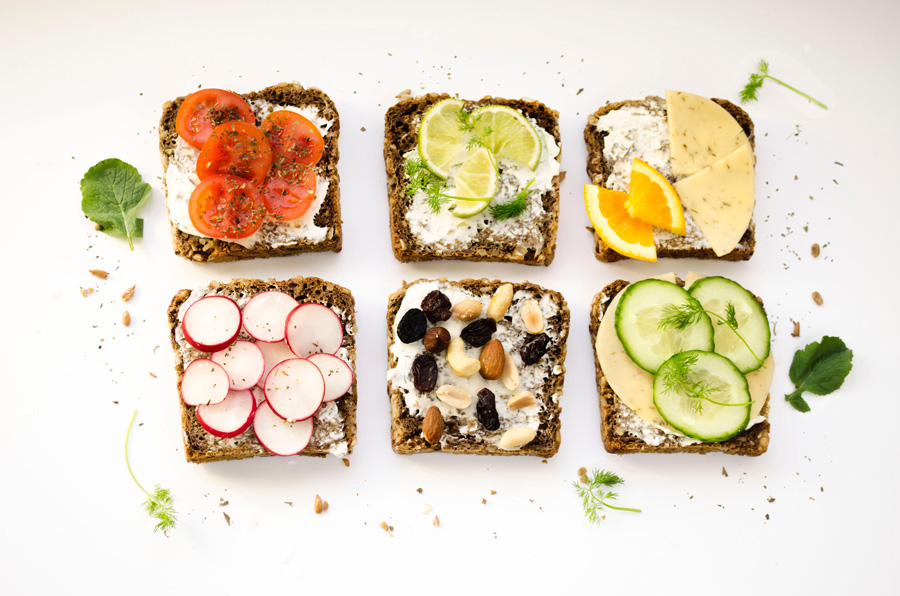
You have probably already heard or read a lot about the basics of healthy eating. You know that you should eat plenty of vegetables and fruits, avoid fatty foods, and limit sweets. Similar nutrition tips are shared daily by lifestyle coaches on social media. But if you are already overloaded with advice, why are you still searching for what to eat to stay healthy and fit?
In my opinion, the answer lies in the fact that even if you know the basics of healthy eating, following them consistently is much harder. The reason is that you do not truly understand why you are doing what you are doing. But don’t worry – you are not alone. Many people are searching for answers because the internet is full of information, yet there is also a huge amount of contradictory advice. If you tried to follow everything, you would probably go crazy.
What Is Your Goal with Healthy Eating?

I often feel like social media constantly throws advice at me about what and how I should eat. But it does not know what my actual goal is with healthy eating. Do I want to lose weight? Do I want to get rid of a health problem? Do I want to prevent illness? Do I want to live a long life?
Have you already thought these things through, or did you simply jump into following the first piece of advice you came across?
I admit that I started without really knowing what I wanted. The result was many unsuccessful diets. Later, I realized that you cannot achieve anything if you are not clear about your goal.
If you do not know what you want to achieve, then all the well-meaning advice will only confuse you, and eventually you may give up altogether. Don’t do that. There is another way.
An Important Question
Ask yourself what your goal is with healthy eating. I use the word “goal” because it is easier to understand, but what I actually mean is feelings. How do you want to feel by eating healthy?
Let me help you imagine it.
For a moment, picture yourself always knowing what and how much to eat. You feel confident. Every meal feels good, and you have no guilt afterward. You know you can eat it without harmful consequences. You understand what your body truly needs. You eat exactly as much as necessary. You know when to stop.
Imagine looking in the mirror with satisfaction. Your body looks exactly the way you want it to. Your body is working with you, not against you. It supports you so that you can live a happy and balanced life.
All of this is possible if you do not just read about healthy eating, but truly understand what is happening inside your body and why. That is what I would like to help you with in this summary article. You will find many links leading to additional articles because I have already written extensively about this topic on my blog. It is worth investing time and patience into reading them so you can gain a complete understanding of healthy eating.
Lose Weight Fast?
If your only interest is finding out how to lose weight quickly, then please look for another blog, because that is not what I want to help you with.
I want you to understand how everything is connected and why certain things happen inside your body.
Are you ready to dig deeper into these topics? If yes, then let’s begin. But first, let me show you what this article is about.
Why Is Healthy Eating Important?
Healthy eating helps your body serve you well throughout your life in the long term. If you eat unhealthily, it is almost as if you are telling your body, “I don’t love you, I don’t need you.”
Treat your body with love and respect. If you do, you will feel that it deserves to be nourished with healthy foods. Your body deserves the very best.
But what does “the very best” mean? It is not only about food. It also includes physical activity and quality relaxation. You can read more about this here. (7 pillars)
Is the Situation Already Serious?
In Western societies, it is common to start paying attention to healthy eating only when serious problems appear – when we become ill. In Eastern societies, however, the focus is more on prevention: preventing problems before they become serious.
I find it unfortunate that schools do not teach us the foundations of healthy eating. I truly believe that if you had learned early in life what to pay attention to, everything would become much easier later on. In that case, your main focus would be prevention rather than trying to cure illnesses.
My own approach to healthy eating is based on prevention. Please keep in mind that the points below are written with this mindset. If you are ill, consult a doctor. In my opinion, illness is a state in which you fall out of balance. First, balance must be restored, and only after that can you focus on maintaining it.
What Are the Basics of Healthy Eating for Maintaining Balance?
1. A Balanced Diet
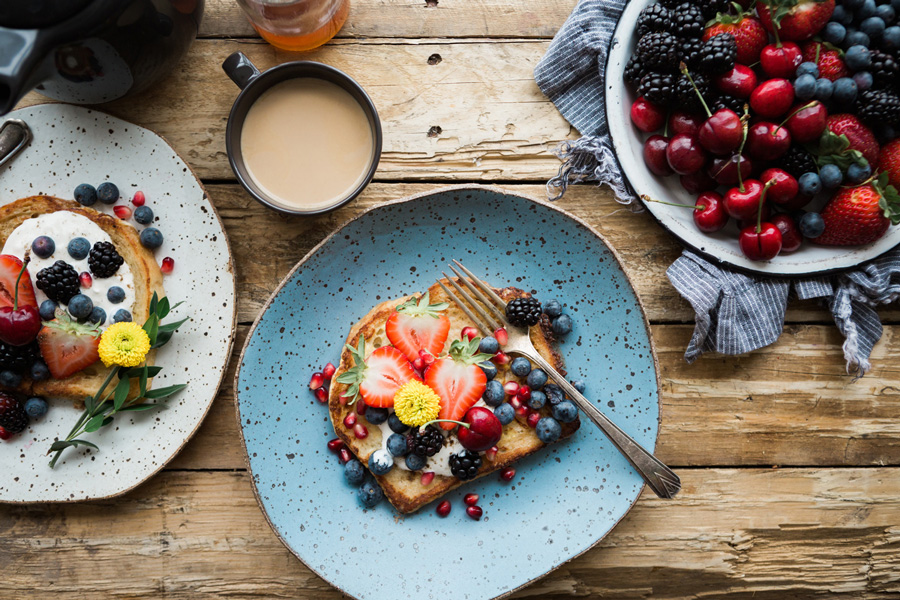
This means that you do not deprive yourself of carbohydrates or fats, and you are not afraid of proteins either. Diets that recommend eliminating all carbohydrates are not healthy. Your body needs all the essential macronutrients: proteins, fats, and carbohydrates. In addition, you also need to provide your body with micronutrients, such as vitamins and minerals.
How Can You Eat More Varied Meals?
It is boring to eat the same things all the time. You need good recipes that make your meals diverse and exciting. Take a look around my blog.
Recipes by Season
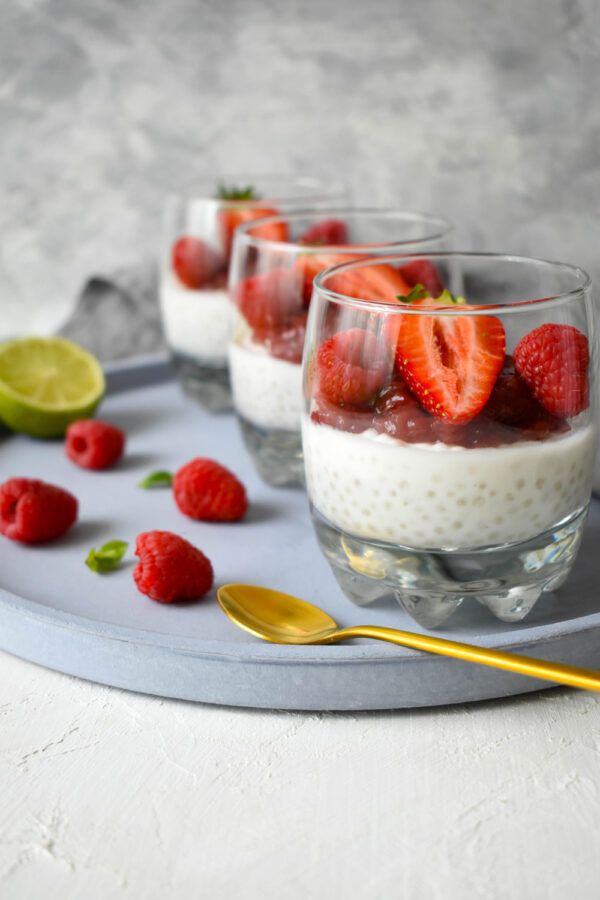


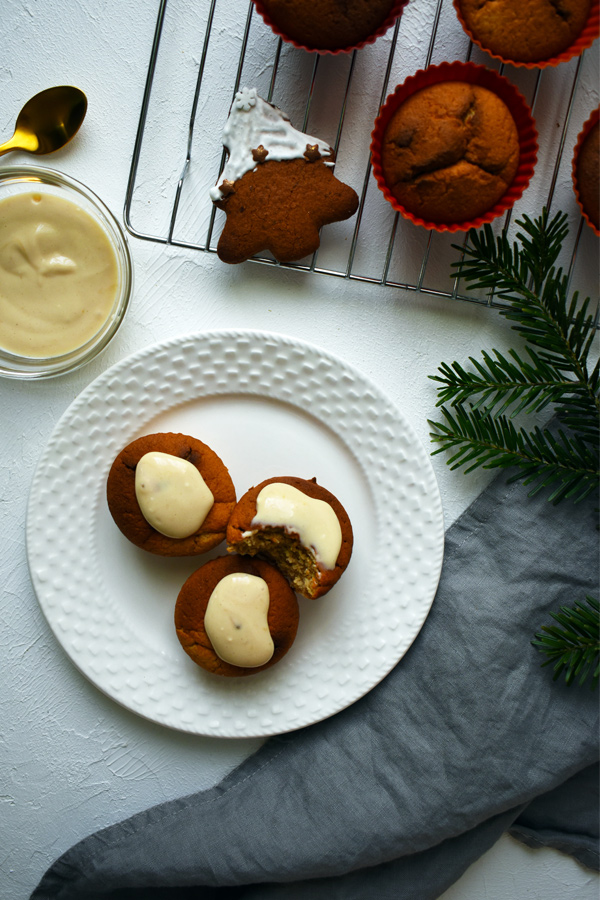
And don’t forget to check out my recipe booklets as well.
2. Proper Energy Intake
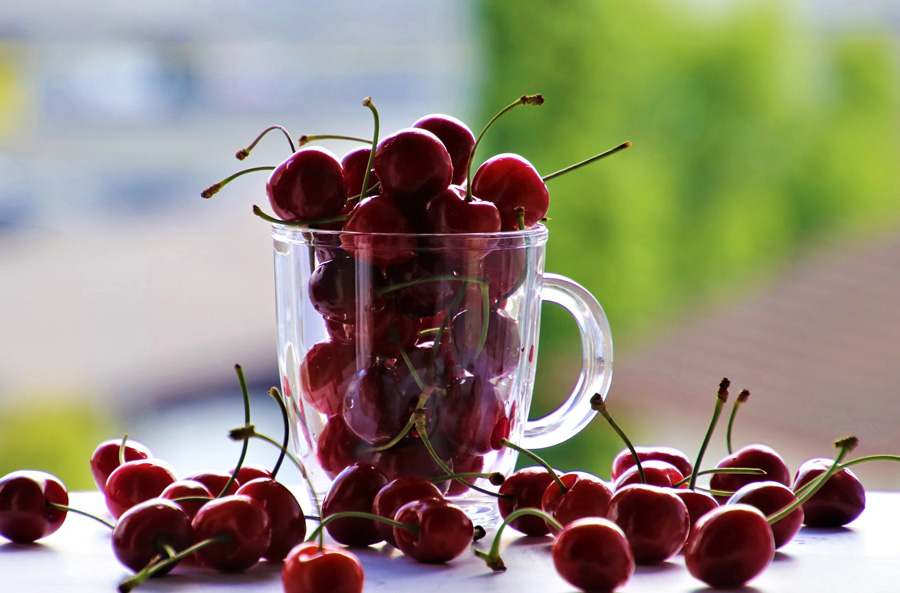
For your body to function properly, you need to provide it with enough energy. Too little is not good, and too much is not good either. Think of your body like a car that needs fuel. You cannot overfill the tank because it will overflow, but you also cannot add just a few drops because you will not get very far. You need to know your destination and fuel accordingly.
Translated into nutrition: in the evening, when you know you are about to go to bed, avoid sugary foods because they provide quick energy and can overstimulate you. That is the last thing you need when you want to sleep. However, if you are preparing for an exam or about to exercise, it is beneficial to “fuel up” beforehand with foods that provide energy quickly.
Proper energy intake also plays a key role in weight loss. If you consume too much energy and do not use it, your body will respond by storing fat.
Do You Want to Lose Weight?
One of the foundations of healthy eating is proper energy intake. Weight loss is essentially one form of managing energy intake correctly. I wrote a separate article about the basics of weight loss, which you can read here. <<<<<<
3. Proper Fluid Intake
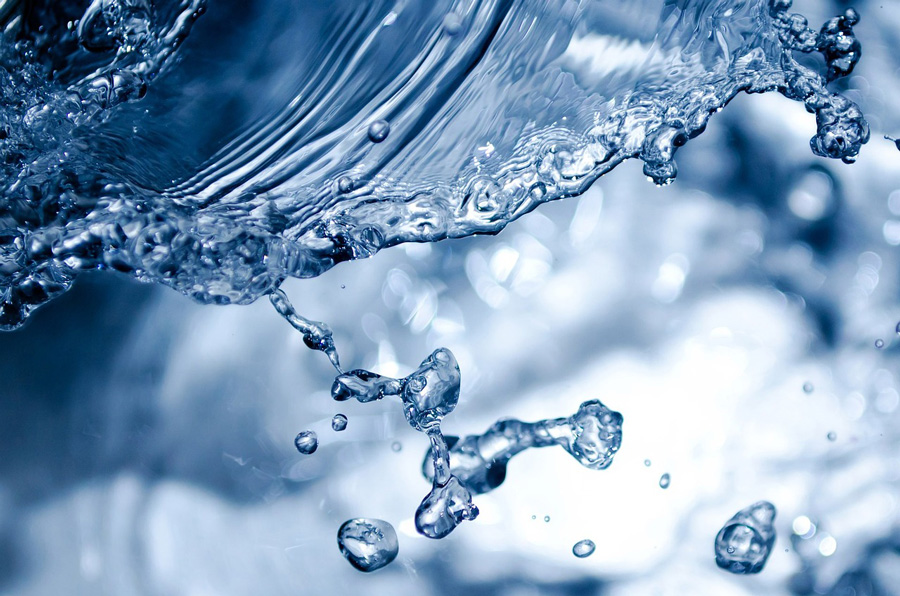
Drinking enough fluids is extremely important for maintaining your health. Fluids support healthy digestion, which is especially essential when following a fiber-rich diet, and they also help keep your skin hydrated.
The recommended minimum daily intake is 2 liters for women and 3 liters for men. However, if you exercise or drink a lot of coffee, it is worth consuming even more.
You may wonder what the healthiest thing to drink is. I primarily recommend water because it is calorie-free. With every other drink you consume, you also need to consider its calorie and nutrient content. This can become a problem because drinking too many calorie-dense beverages can quickly disrupt the proper energy balance mentioned earlier.
4. Fiber
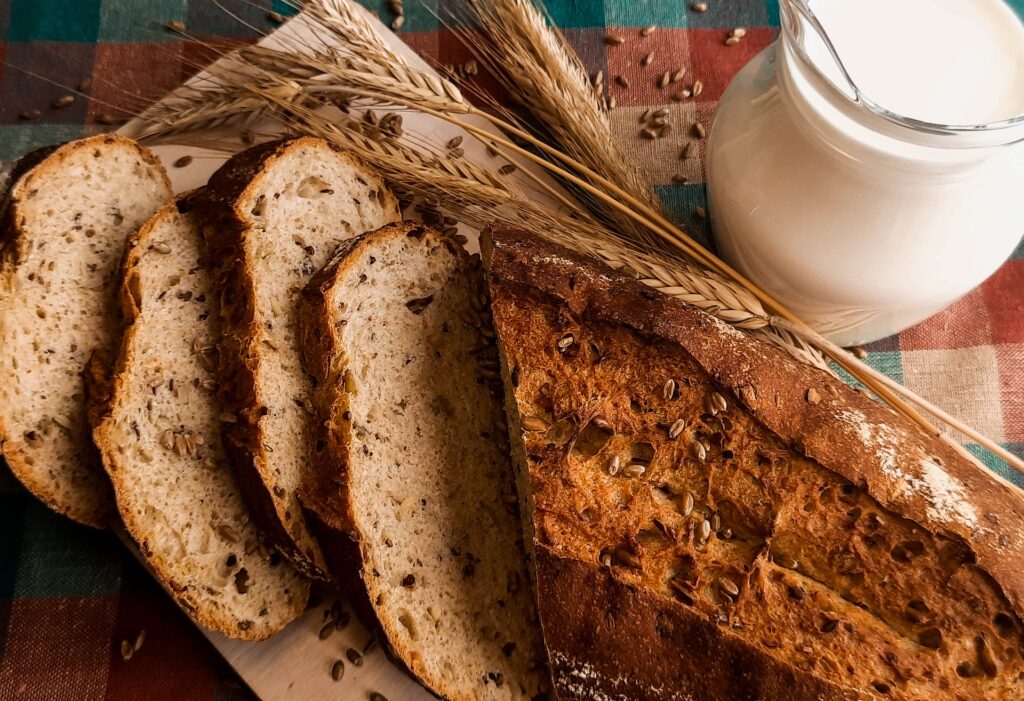
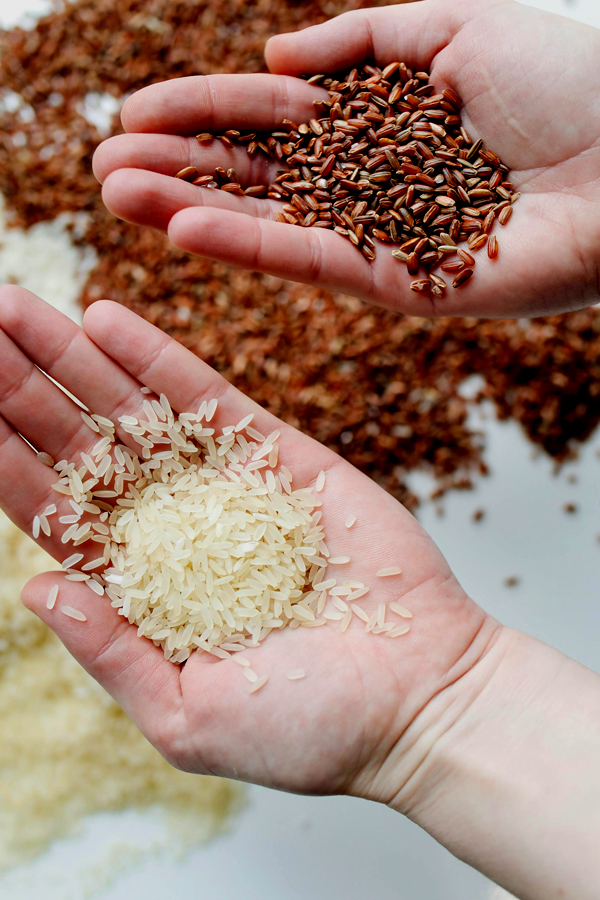
A healthy diet should include whole grains, such as whole wheat bread and baked goods, pasta, rice, and oats, to ensure proper carbohydrate and fiber intake. Fiber contributes to a healthy gut microbiome and improves digestion.
Because fiber is digested more slowly (slow-absorbing carbohydrates), it helps you feel full for longer. This supports weight loss efforts and also reduces blood sugar fluctuations.
5. Proteins
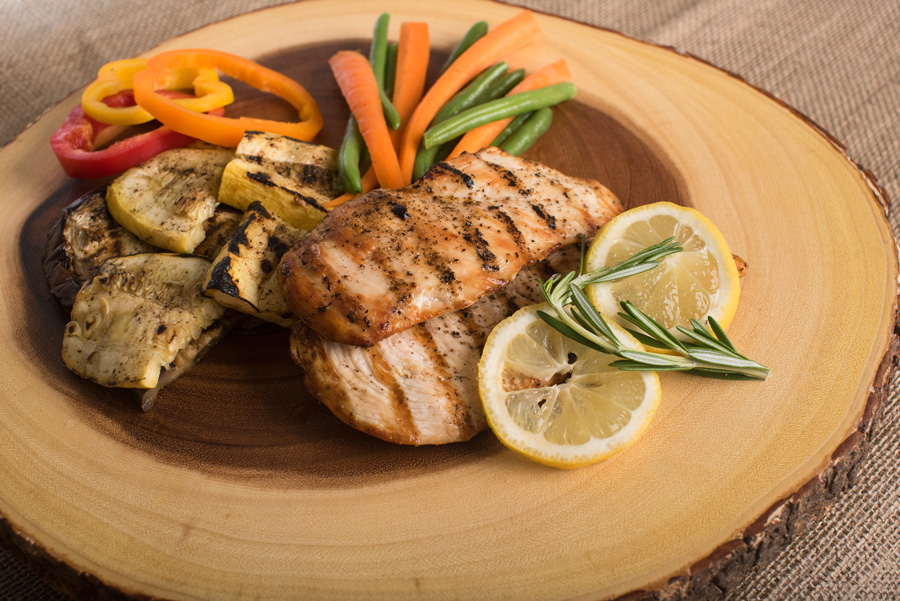
Proteins serve many important functions in the body. Their role includes building and repairing cells (including muscle building), producing enzymes and hormones, supporting the immune system, and facilitating communication between cells.
Proteins are essential for the healthy functioning of the body and play a role in many important biochemical processes.
Protein Sources
Examples of protein sources include fish, meat (including red meat), dairy products (milk, cheese, yogurt, cottage cheese, etc.), and egg whites.
Choose lean meats whenever possible.
Reduce your consumption of red meat and processed meats such as sausages, and replace them with poultry and seafood. Try to eat fatty fish (such as mackerel or salmon) at least once a week.
>> Healthy Fish Recipes
>> Chicken Recipes
6. Healthy Fats
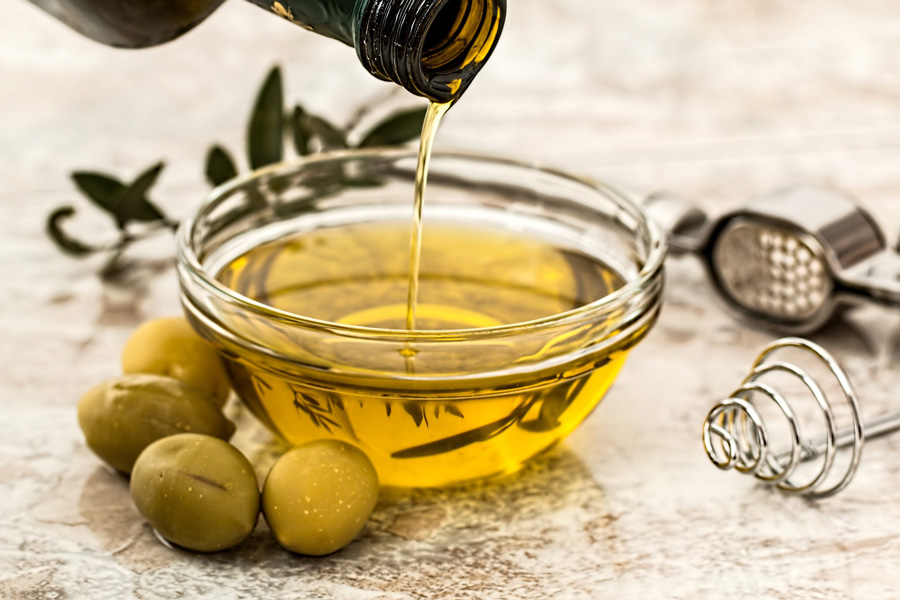
A healthy diet should include healthy fats, such as omega-3 fatty acids. These support cardiovascular health. Eating a handful of nuts or seeds (such as walnuts or almonds) every day can make a big difference.
Replace animal-based fats (such as lard, duck fat, or goose fat) with plant-based fats or healthy fats from nuts, seeds, and fish. Personally, I use olive oil for savory dishes and coconut oil for desserts. Both are excellent for cooking and baking.
It is important to choose cold-pressed or virgin coconut oil (often labeled as VCO). Refined coconut oil contains unhealthy trans fats.
Read this as well: >> The secret of healthy fats – That’s why you should eat them every day!
7. Vegetables and Fruits
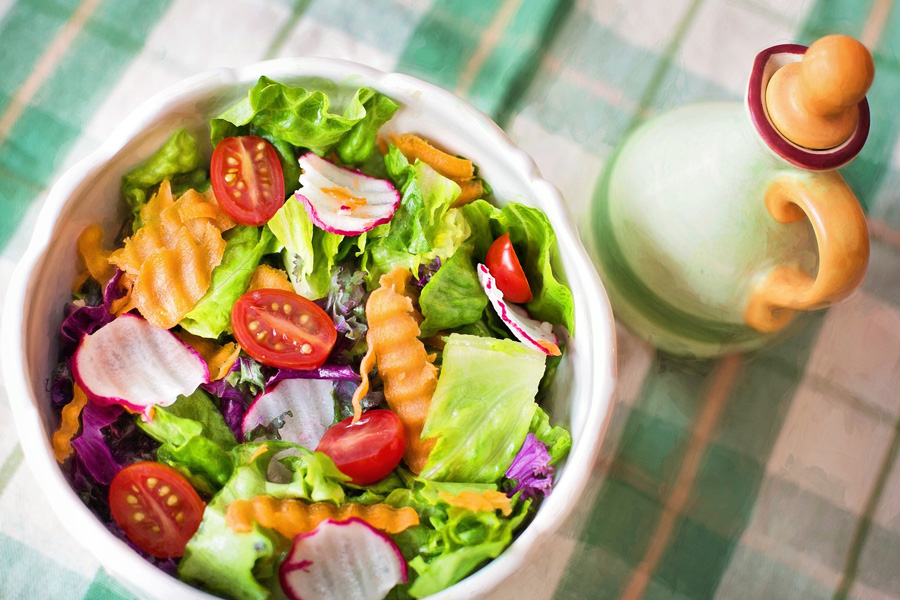
Vegetables and fruits are essential parts of a healthy and balanced diet. They affect both your health and your body weight. It is worth paying more attention to them because they:
- are excellent sources of fiber, potassium, magnesium, and antioxidants, all of which have been shown to reduce blood pressure and cholesterol levels,
- improve the condition and composition of gut bacteria, helping to prevent many stomach and intestinal diseases,
- are usually very low in calories while still being filling, making them ideal for dieting.
8. Avoiding Processed Foods and Additives
Healthy eating means limiting processed foods and additives such as refined white sugar, white flour, artificial ingredients, and food colorings.
What you especially need to avoid are highly processed convenience foods, such as instant soups, powdered sauces, ketchup, and energy drinks.
Meals prepared from fresh, natural ingredients nourish your body – they are the true fuel source for your system.szített ételek táplálják a testedet, ezek a szervezet üzemanyagforrásai.
9. Giving Up Harmful Habits
Smoking, excessive alcohol consumption, and mind-altering substances are incompatible with a healthy lifestyle. You need to say no to these if you want to stay healthy.
If you need help overcoming harmful habits, seek professional support.
10. A Balanced Eating Routine
A healthy diet follows a balanced eating schedule.
Once you have figured out how many calories your body needs in a day, divide that amount into as many meals as you can realistically maintain.
Many people find that eating five meals a day works best because it helps prevent intense hunger. However, if you can only manage three meals a day, that can work too – as long as you pay attention to portion sizes.
Distribute your calories throughout the day according to your physical activity. For example, if you are more active in the morning or exercise before noon, it makes sense to consume more calories during that period.
Summary
Healthy eating is not about strict rules, starvation, or following every trend you see online. It is about understanding your body, maintaining balance, and making choices that support your long-term well-being.
A healthy lifestyle is built on a few essential foundations: a balanced diet, proper energy and fluid intake, enough fiber and protein, healthy fats, plenty of vegetables and fruits, and avoiding overly processed foods and harmful habits. Just as important is creating an eating routine that fits your lifestyle and supports your physical and mental health.
The goal of healthy eating should not simply be weight loss or chasing perfection. The real goal is to feel energetic, confident, balanced, and in harmony with your body. When you learn to understand what your body truly needs, healthy choices become much easier and more natural.
Remember: healthy eating is not about punishment – it is about self-care. Treat your body with respect, nourish it with quality foods, stay active, rest properly, and focus on prevention rather than waiting for problems to appear.
Small, consistent steps can lead to lasting changes and a healthier, happier life.
Images: Pixabay