
How to Maintain a Healthy Lifestyle? – 7 Pillars
Here Are My 7 Pillars That May Help You Too

Healthy living is about much more than eating vegetables, exercising regularly, or following the latest wellness trends. A truly healthy lifestyle is a long-term balance between physical health, mental well-being, emotional stability, meaningful relationships, quality sleep, and self-confidence.
In today’s fast-paced world, many people struggle with stress, emotional eating, lack of motivation, poor sleep, and burnout. Even when we know what we “should” do to stay healthy, maintaining healthy habits consistently can feel overwhelming. That is because true wellness is not created through perfection – it is built through sustainable daily habits and self-awareness.
In this article, I share my personal approach to healthy living through what I call my 7 pillars of a healthy lifestyle. These pillars include healthy nutrition, physical activity, relaxation, social connections, sleep, life purpose, and self-confidence. Together, they create a balanced foundation that supports both physical and mental health.
This article is not about following strict rules or chasing unrealistic expectations. Instead, it is about discovering what health, happiness, and balance truly mean for you personally. If you are looking for practical healthy lifestyle inspiration, motivation for self-care, stress management tips, or ways to improve your overall well-being naturally, these ideas may help guide you toward a healthier and happier life.
Are you ready to look at healthy living from a different perspective? If yes, let me first show you what this article is about.
Why Are There Only 7 Points?
I did not want to write about things you may already have read elsewhere. That is why, for example, I did not include regular medical check-ups. I think they are very important, but I am sure you already know that and it does not need a separate section here.
I also wanted to include giving up harmful habits, but in the end I placed that topic in my article about healthy nutrition. The reason is that excessive alcohol consumption is one of the main harmful habits, and it fit better into the topic of nutrition – although, of course, it is closely connected to lifestyle as well. Be sure to read the article about healthy nutrition too, because it complements the one you are reading now.
Everything written here is based on my personal experiences and does not reflect an order of importance. Instead, it shows the path through which I found my own answers. My question was:
What do I need in order to experience happiness, health, and fitness?
How Did This Order Develop?
At first, I focused on healthy eating, but I realized that physical activity is also essential. Then I noticed that I could not truly focus on healthy eating unless I was emotionally balanced. If my life is stressful, I will not be able to resist chocolate, because during stressful times I crave fatty and sugary foods.
I discovered relaxation techniques and learned a great deal about emotional eating, as well as how improving our relationships can help us create a healthier connection with food and eating. I also became familiar with circadian rhythm and positive thinking, both of which help tremendously in preventing my inner battery from running empty.
What Is a Healthy Lifestyle According to Magazines and online platforms?
You have probably heard or read a lot about the basics of a healthy lifestyle.
“Eat plenty of vegetables and fruit!”
“Exercise regularly!”
“Give up harmful habits!”
Magazines and online platforms are overflowing with lifestyle tips like these. But in reality, a healthy lifestyle is about much more than that – and deep down, I think you feel this too.
If you already know in theory how it should be done, then why is it so difficult in practice? Why are you still searching for what would make you feel truly happy, healthy, and fit?
I believe the answer lies in the fact that even if you know the foundations of a healthy lifestyle, following them consistently is much harder. One reason is that you try to listen to everyone else and meet every expectation. The internet is full of information, but there is also a huge amount of contradictory advice. Advertisements constantly try to sell you the latest miracle solution that supposedly promises happiness and health. It is easy to become overwhelmed and eventually feel like giving up altogether. But don’t. There is another way.
Now, for a moment, imagine that you are healthy. You are strong and fit. Happiness flows through you. You know that you are nourishing your body with good things. Deep inside, you feel that you have found your place in the world. You love and are loved. Your body supports you in living a happy and healthy life.
All of this is possible if you do not just read about healthy living, but also discover your own answers to what a healthy lifestyle means for you personally. This is what I would like to help you with through my own experiences.
What Is a Healthy Lifestyle According to Me?
To me, a healthy lifestyle is a state of balance. When I was searching for what could make me happy, healthy, and fit, I believe I was actually searching for inner balance and inner peace. To truly experience this, I need to strive for balance in many areas of my life – not only in nutrition, but also in my career, relationships, and self-love.
After this introduction, let me now share what I personally believe are the foundations of a healthy lifestyle – in other words, my 7 most important pillars for feeling well.
My 7 Pillars
1. Healthy Nutrition
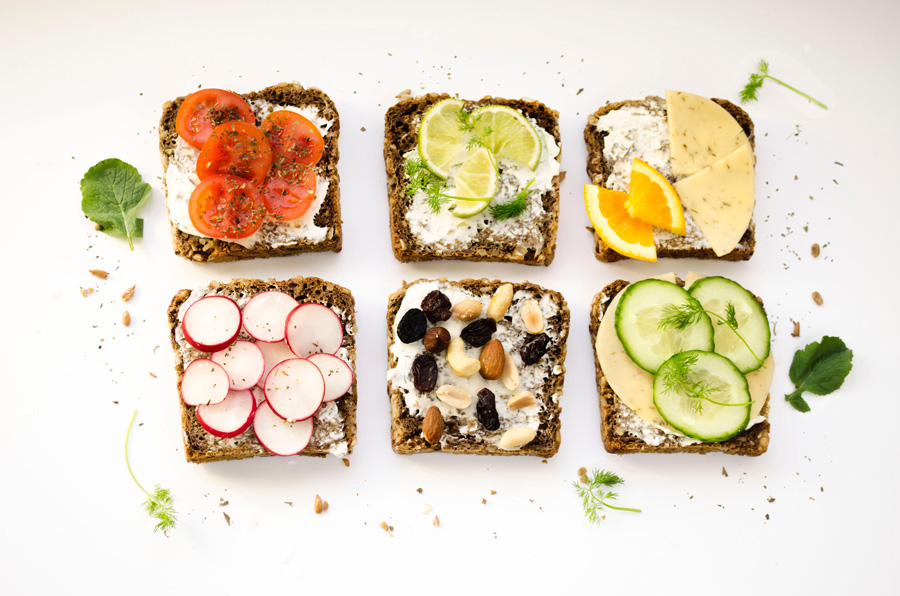
Healthy nutrition helps your body serve you well throughout your life in the long term. If you eat unhealthily, it is almost as if you are telling your body, “I don’t love you, I don’t need you.” Treat your body with love and respect. If you do, you will feel that it deserves to be nourished with healthy foods. Your body deserves the very best. And what exactly does “the best” mean? I wrote more about that here: 10 Important Things You Need to Know About Healthy Eating
2. Physical Activity

Alongside healthy food, exercise is another way to give something good to your body. Regular physical activity can do a great deal for your health. It can improve your overall condition and reduce the risk of heart disease, diabetes, and other chronic illnesses. Choose a form of exercise that you truly enjoy, because then you are much more likely to stay active consistently.
In the past, I used to think of sports only as a way to burn extra calories. Then I found the type of exercise I truly love, and now I no longer move just to lose weight, but because I love the feeling that exercise gives me. By now, it has become as essential to me as sleep. I simply need it in order to stay mentally and physically healthy.
3. Relaxation

There are many different forms of relaxation, and all of them help with stress management. Stress is one of the greatest enemies of a healthy lifestyle. That is why it is important to truly relax from time to time – even though I know this is not always easy.
It may become easier if you learn what type of relaxation you personally need in different situations. Sometimes a long sleep is not enough. You may actually need mental relaxation instead.
Mental relaxation is not simply about going on a luxury vacation once a year after months of hard work. While that may help you disconnect from everyday problems for a while, it is usually not enough to truly restore your mental well-being. When you cannot switch off your mind because your thoughts are constantly racing, that is when you most need mental relaxation.
Mindfulness techniques, meditation, journaling, coaching, and self-development books can all help. Exercise can also be very beneficial, although not in every situation. Explore what works best for you personally.
Mental rest is only one of the seven forms of rest – it is worth learning about the others as well.
4. Social Connections

What do social relationships have to do with a healthy lifestyle? Quite a lot.
A healthy, well-functioning person tends to create and maintain healthy, well-functioning relationships. Someone who struggles internally will often experience difficulties in their relationships as well. Healthy living and social relationships influence each other in both directions.
The Connection Between Loneliness and Health
The problem begins when we feel lonely without choosing it ourselves. Everyone has their own interpretation and personal experience of what loneliness means. In one form or another, loneliness affects everyone, and it is not something we can simply sweep under the rug, because “loneliness damages our health just as much as smoking fifteen cigarettes a day,” writes Shrein H. Bahrami in the book Companion in Loneliness. This statement is based on research linking mental disorders to loneliness.
Someone can feel lonely even if they have countless friends and socialize every weekend. On the other hand, not every single person is lonely, even if they spend a lot of time alone. Some people feel lonely when alone, while others feel completely comfortable that way.
“One of the most important differences between loneliness and being without a partner – or loneliness and solitude – is that the latter is something we choose. We decide when to leave a party or travel somewhere alone, but feeling lonely is not a matter of choice. Because we are social beings, we long for recognition and connection. Loneliness is caused by the painful feeling created by unmet needs for genuine human relationships,” writes Shrein H. Bahrami.
Therefore, one of the foundations of a healthy lifestyle is having real and meaningful social connections.
5. Sleep

Lack of sleep is associated with increased blood pressure, higher cholesterol levels, and nearly every major risk factor related to heart disease. Sleep deprivation also increases stress levels. However, the most important thing is not necessarily how many hours you sleep, because for some people 6-7 hours may be enough, while others may need as much as 9 hours. What truly matters is that your sleep is genuinely restorative, because only deep and uninterrupted sleep is truly beneficial for the heart.
For better quality sleep, keep the following in mind:
- Avoid eating heavy meals within three hours before bedtime. This prevents your body from being overloaded with digestion during the night.
- Do not watch frightening movies or consume online content that may disturb your peace of mind.
- Before falling asleep, always think about pleasant things. Anxiety and negative thoughts can affect sleep quality. Take “Sweet dreams” and “Sleep well” seriously.
- Learn about the circadian rhythm. It can help you discover your body’s internal clock and bring yourself into balance with it. One important part of this is going to bed and waking up at the same time every day. If you regularly stay up very late or wake up too early, it may affect both the quality and quantity of your sleep and disrupt your circadian rhythm. Circadian rhythm involves many other aspects as well, so it is worth exploring the topic more deeply.
6. Life Purpose and Calling

If you live unhealthily, you damage your body. And this is not only about food. In my opinion, it is also unhealthy to spend years doing something you do not truly love.
If you cannot find your purpose or calling in life, you may suffer every day from a lack of motivation. This affects both your health and your relationship with food. Find something that makes you excited to wake up every morning. This could mean discovering your dream job or your true vocation. Life purpose coaches can provide a great deal of support in this journey.
7. Self-Confidence

Do you think self-confidence seems out of place on this list? In fact, it is one of the most important elements here. Self-confidence holds together everything I have mentioned so far like an incredibly strong glue.
Without self-confidence, you will not have the inner motivation needed to improve your life. If you do not believe that you are capable of living a healthy life, you will always come up with excuses that hold you back on this journey. If you do not believe that you are good enough, then you will not believe that you deserve nourishment, care, and a truly happy life where you wake up and go to sleep feeling satisfied.
If You Cannot Do It Alone, Seek Professional Help
In addition to self-awareness books, working with a coach helped me tremendously. They helped me organize my thoughts and clarify the direction I truly wanted to take in life. I never would have thought that just a few powerful questions could bring me so much closer to myself.
I know the answers already exist within me, but sometimes it takes an outside perspective to bring out those hidden answers that I could no longer motivate on my own.
If you feel that you cannot do it alone, there is absolutely nothing embarrassing about seeking professional help. In fact, quite the opposite.
Find Your Own Answers
As I mentioned earlier, these are my own answers to what healthy living and maintaining a healthy lifestyle mean to me. I asked myself the question: What would make me feel happier, healthier, and fitter? These seven points became my answer.
I am sure I will continue discovering many more things in the future, so this list is not complete. It simply reflects a moment in time. What I want to show is that once you decide to live a healthier life, that journey will also create change in many other areas of your life.
I encourage you not to accept my answers completely as your own. Take what resonates with you, but ask yourself the same questions too. Find your own answers.
What would make you feel happy, healthy, and fit? What do you think you need in order to achieve these things?
A System
Once you have your answers, all you need is a well-functioning system. Exercise regularly and make it a habit to treat both your body and your mind well.
Personally, I use an Excel spreadsheet for this. It contains my weekly goals, and I regularly track my progress. For example, I monitor how many days per week I exercised, ate fiber-rich meals, meditated, or met with friends. If I notice something is missing one week, I consciously make up for it in the following days – and this helps restore balance.
Closing Thoughts
A healthy lifestyle is not a destination that you reach once and never think about again. It is an ongoing journey of learning, self-discovery, and creating balance in different areas of life. True health is not only about what you eat or how often you exercise – it is also about how you handle stress, how well you sleep, the quality of your relationships, your sense of purpose, and the way you treat yourself mentally and emotionally.
Throughout this article, I shared the 7 pillars that help me maintain balance and feel healthier, happier, and more energized. These pillars are healthy nutrition, regular exercise, relaxation, meaningful social connections, restorative sleep, life purpose, and self-confidence. Each of them supports the others, and together they create a strong foundation for long-term well-being.
The most important message I want to leave you with is this: do not simply copy someone else’s version of healthy living – discover your own. Ask yourself what truly makes you feel good physically, mentally, and emotionally. Build habits that support your well-being, and create a system that helps you maintain them consistently.
Small daily choices can lead to meaningful long-term changes. Step by step, you can create a healthier, more balanced, and more fulfilling life for yourself.
photo: pixabay.com
e-book (pdf)
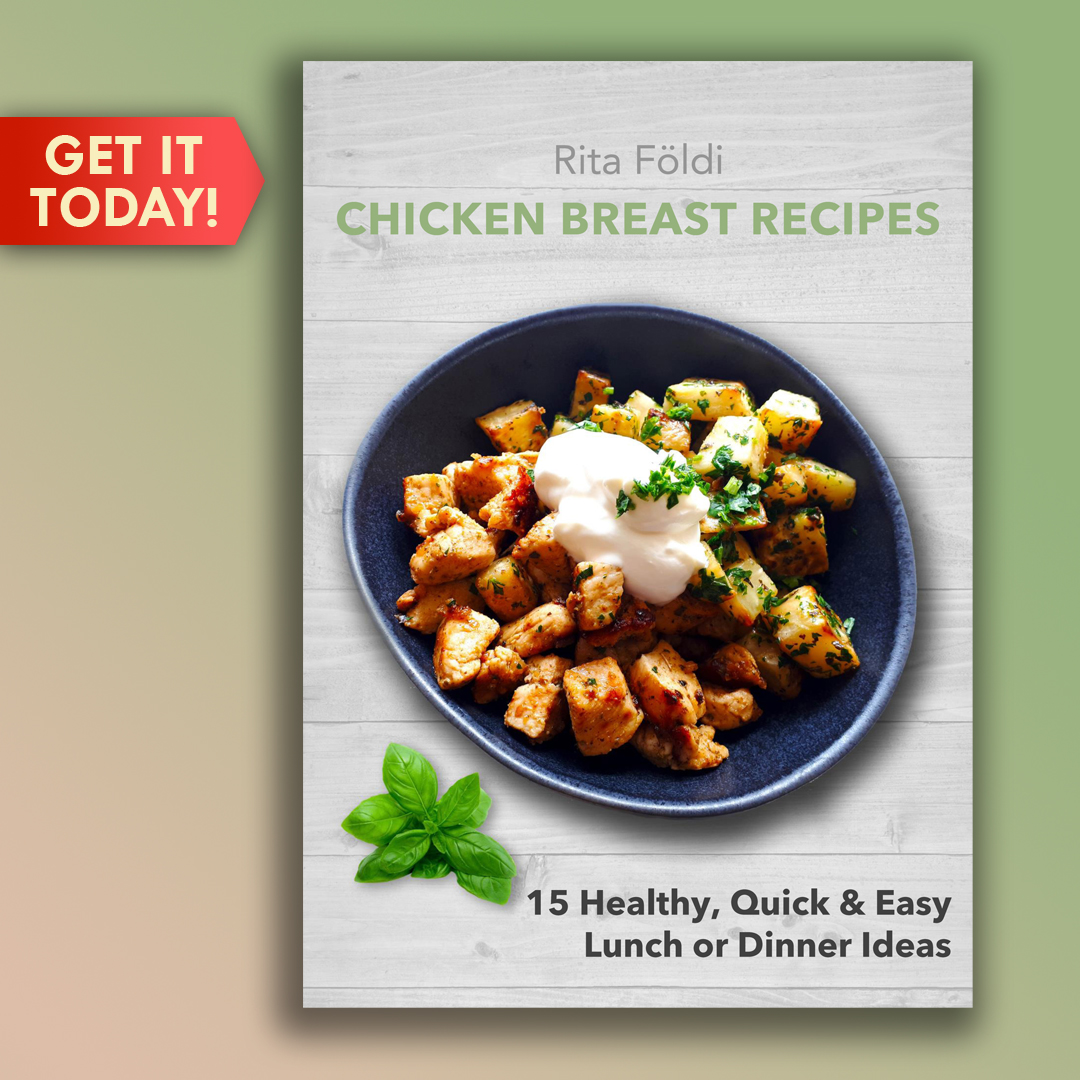
Chicken Breast Recipes
I’ve collected my favorite chicken breast recipes into one practical and inspiring booklet. If you’re looking for healthy, delicious, and easy lunch or dinner ideas, this is a must-have addition to your kitchen.
Perfect for those who want to eat healthier, and enjoy a more balanced lifestyle.