
How to start a diet – tips for beginners
Step by step, organize your kitchen for slimness!

Would you like to eat foods that help you lose weight, but don’t know what to substitute them with? How to shop for diet products? In my article, I will help you see clearly what you really need to start changing your lifestyle and how you can create a diet kitchen for yourself or your whole family. I’ll show you step by step how I organized my kitchen for weight loss when I wanted to lose 10 kilos.
You can read about my weight loss journey here: >> Eating and losing weight – How I lost 10 kilos!
Table of contents
- 1. Decide in your head
- 2. Check what you have at home and get rid of fattening foods or hide them away
- 3. Shopping for healthy and diet foods
- instead of white sugar: xylitol, stevia, or erythritol
- Instead of white wheat flour: oat flour, whole grain flours, seed flours
- Instead of potatoes, choose healthy grains!
- Instead of grains, you can also choose legumes.
- chips, instead of snacks
- oil instead of fats
- yogurt instead of mayonnaise
- Choose lean meats and good fats!
- When choosing dairy products, opt for low-fat varieties whenever possible!
- Choose natural!
- Always check the packaging!
- 4. Smaller plates = smaller portions
- 5. Kitchen tools for weight loss
- 6. Follow these tips in your daily life
- 7. Encourage your family to help with the above
- Summary
1. Decide in your head
They say that dieting starts in the kitchen, but I think the first step starts in your head. You have to decide in your head that you really want to lose weight and that you are willing to make sacrifices to do so. I’m not going to lie to you and say that it will be easy and quick; starting a diet is difficult and involves sacrifices. You may have to skip that second bowl of soup to maintain your calorie deficit, or give up your afternoon chocolate bar in favor of healthy snacks, and even replace your cozy evenings watching TV with exercise. These are the kinds of sacrifices you may have to make. It’s better to be prepared for them. Dieting is only the beginning. You only do it for a few days. Or you don’t do it at all because you get bored on the second day. If you want to lose weight permanently, you don’t need a diet, you need a lifestyle change. I wrote a guide about this: Diet and Recipes Lifestyle Change Package

Legnépszerűbb:
Életmódváltó csomag
Ebben a tudáscsomagomban ahhoz szeretnék neked gyakorlati tanácsokat adni, hogy hogyan alakítsd ki te magad a saját, személyre szabott diétás étrendedet. Mindezt kínkeserves éhezés és bonyolult méricskélések nélkül. Ne feledd, a cél az, hogy egy olyan étrended legyen, amit hosszú távon, könnyedén be is tudsz tartani, mert a zsírpárnáktól való tartós megszabaduláshoz idő kell!
It is important to clarify what you decide in your mind. Are you going on a diet or changing your lifestyle? If you are going on a diet, you can stop reading this article, because you don’t need to redesign your kitchen for dieting. There is no need to remodel your kitchen for a few days.
However, if you are changing your lifestyle, you need to know that it is not a lifestyle change if you continue to do everything the same way as before. Change is about replacing something, letting go of something, and bringing something new into your life. If you are mentally prepared to make changes, then you can move on to the second step.
2. Check what you have at home and get rid of fattening foods or hide them away
Go into your kitchen or pantry, open the refrigerator, and take a look at the foods you eat! Do you have diet foods or fattening foods at home?
What counts as fattening?
There are as many correct answers to this question as there are diets. Due to their effect on blood sugar levels and thus fat burning, I consider the following to be fattening.
- white sugar
(granulated sugar, cane sugar, brown sugar, and anything that contains it)
So chocolates, cookies, jams, syrups, etc. are all things that threaten your diet.
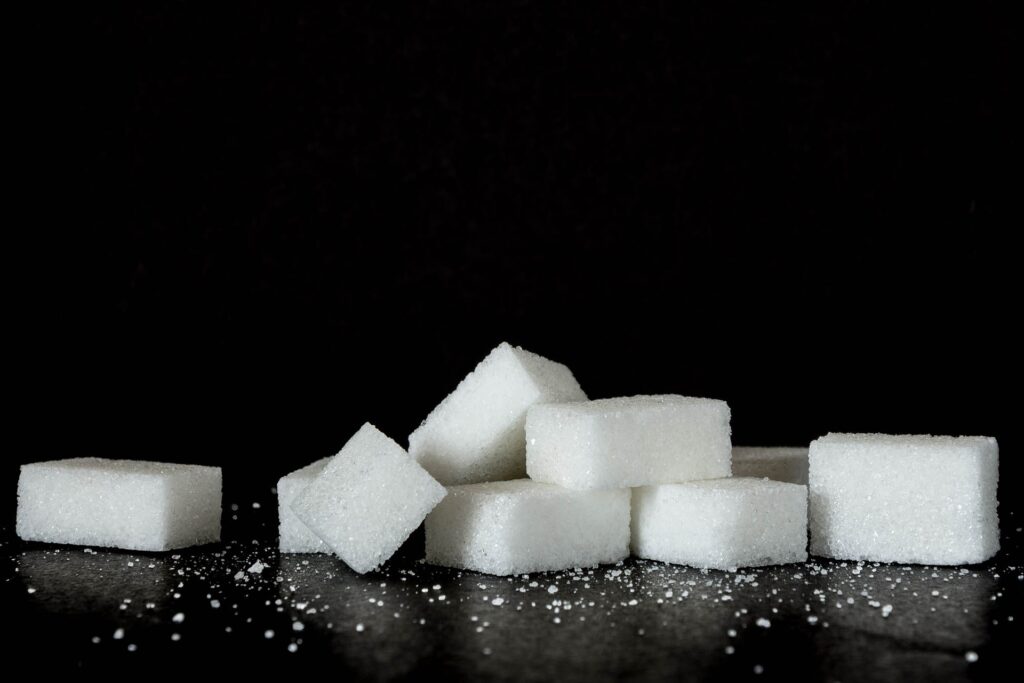
Check the labels on products, because sugar is added to most foods as a flavor enhancer. Just to mention a few that you might not think of, because they are not as obvious as chocolate cookies or cakes: pickled gherkins, ketchup, chili sauce, cold cuts, muesli, spice mixes, salad dressings, canned foods, etc.
- wheat white flour
All refined, fast-absorbing carbohydrates, such as white flour and foods made from it. So white bread, croissants, baked goods, pasta, cakes, hamburger buns, cookies, pretzels, etc. can be fattening.
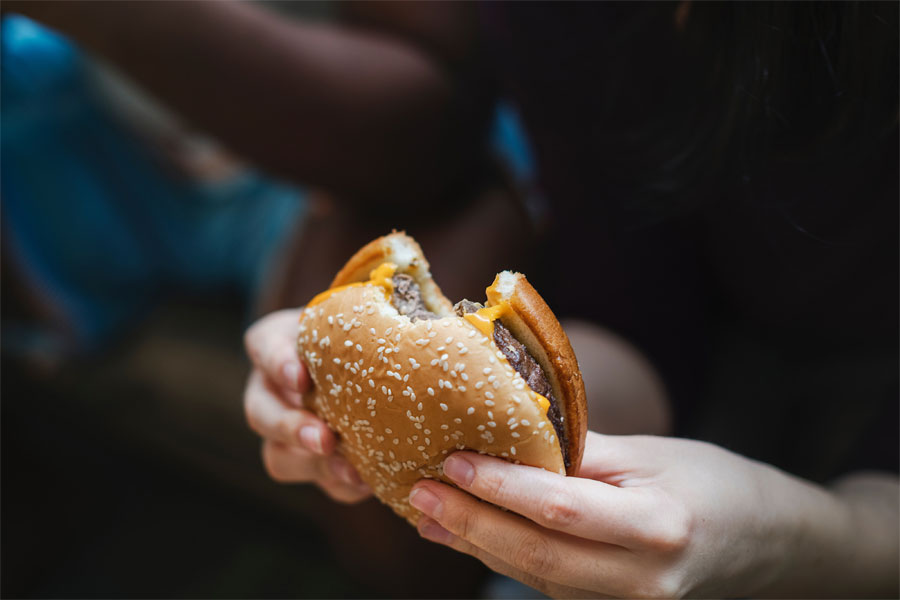
- fatty meats
For example, pork belly, pork ribs, duck breast with skin, sausages, frankfurters, cold cuts, and similar products.
- fats
Cooking oil, margarine, and animal fats (lard, duck fat, goose fat, etc.) can be fattening in large quantities.
- mayonnaise
This little condiment may not seem fattening at first glance, but if you look closely, you’ll be surprised to find that 100 grams of mayonnaise contains 640 calories.
One serving (300 grams) of potato salad with mayonnaise contains approximately 500 calories. If you were to eat plain lettuce, you would have to eat 3 kilograms to get about 500 calories.
If you eat one serving of potato salad with mayonnaise, you will consume as many calories as if you ate one serving of stew with pasta.
What should you do with fattening foods?
a) If you have a small amount at home, use it up and don’t buy any more.
b) If it’s too much for you to consume, give it away as a gift or donate it to those in need.
The key is not to stay at home, because then you will be more tempted to reach for these instead of your diet foods.
Hide fattening foods
If there is any left, it is important to keep it out of sight. If you walk past a bar of chocolate every day, you may find yourself thinking about eating chocolate more often. However, if you hide it away, it will not tempt you to eat it, and after a while you will forget that you have something fattening at home, be it chocolate, candy, cookies, chips, or something else.
Sometimes give in to temptation!
If you really love fatty foods and can’t give them up, don’t force yourself. Everyone has a favorite or two that they can’t give up. For me, it’s chocolate. What I do is allow myself chocolate days. I don’t want to punish myself, I don’t give it up completely, I just limit my consumption.
Tips if you find it difficult to give up chocolate
- Use sugar-free cocoa powder and make cocoa cookies with it.
- Answer: Chocolate sweetened with xylitol or stevia.
- Buy sugar-free chocolate spread.
In my book Fitness Sweets, you will find countless chocolate recipes without white sugar.
You don’t have to give up anything completely, just limit it or choose a healthy alternative instead!
It is important to reward yourself with something tasty from time to time. This could be your favorite treat, or a diet version of it. Make yourself a sugar-free hot chocolate, add a few fitness cookies, and you will soon forget that you are on a diet.
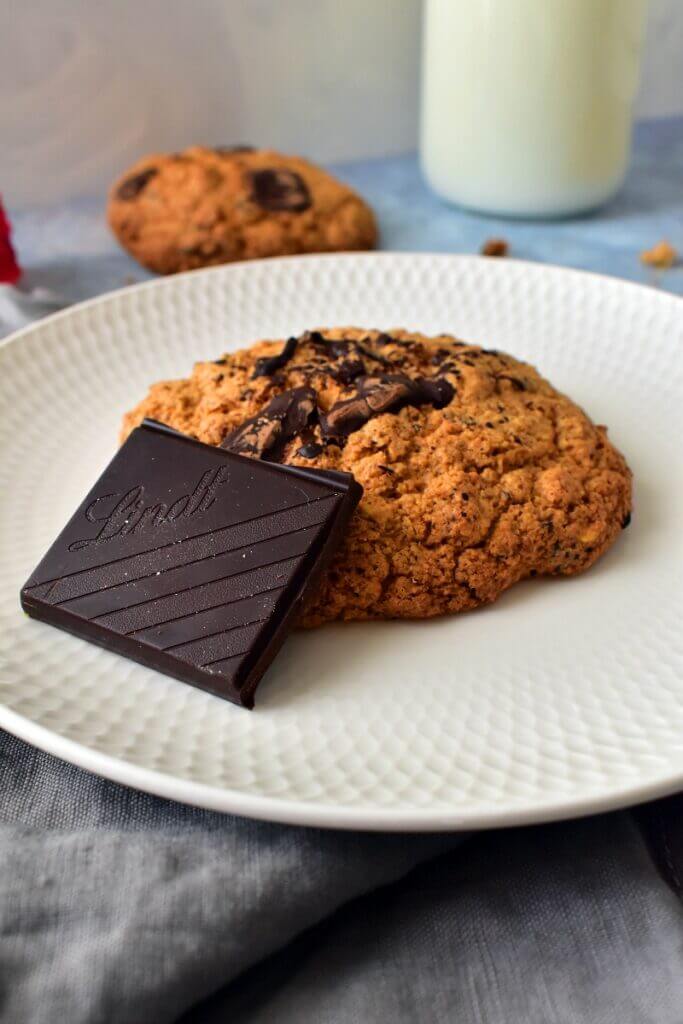
Cook and bake a variety of dishes so you don’t get bored and give up on your diet, you’ll cheat less, and you’ll be on the straight path to achieving your perfect figure. Food is a source of joy, so don’t deprive yourself of flavors and experiences! Experiment with new flavors and you’ll see that changing your lifestyle will be a joy.
3. Shopping for healthy and diet foods
Once you start cutting out fatty foods, the next question is, “OK, but what should I eat instead?”
Below, I have compiled a list of foods you can substitute for them:
instead of white sugar: xylitol, stevia, or erythritol
- You can also find chocolates, cookies, and jams sweetened with these sweeteners.
Read this too! >>> Why is it important to use something other than sugar?
Instead of white wheat flour: oat flour, whole grain flours, seed flours
- Oat flour is perfect for making batter, pancakes, cakes, and bread.
- Whole grain spelt flour is perfect for cakes and bread.
Read this too! >>> Are white flour and bread really that harmful? What should you use instead?
- Choose baked goods that contain almost exclusively whole grain flour. Rye bread is good, and sourdough bread is even better.
Instead of potatoes, choose healthy grains!
For example: bulgur, quinoa, buckwheat, couscous, brown rice, basmati rice, oatmeal, millet, amaranth, barley, etc.
Instead of grains, you can also choose legumes.
Lentils, beans, green peas, yellow peas, chickpeas, etc.
chips, instead of snacks
vegetables, fruit, oilseeds
Eat three servings of vegetables and two servings of fruit every day. This is important because of the fiber and vitamins. For example, you can eat a handful of salad with your main meals to increase your feeling of fullness. Never leave out a couple of vegetables, such as cucumber, tomato, bell pepper, or radish, from your breakfast sandwich. or radishes. Instead of chocolate and other snacks, have some fruit for your small meals (mid-morning snack, afternoon snack). You can add this to plain yogurt or even eat it with almonds.
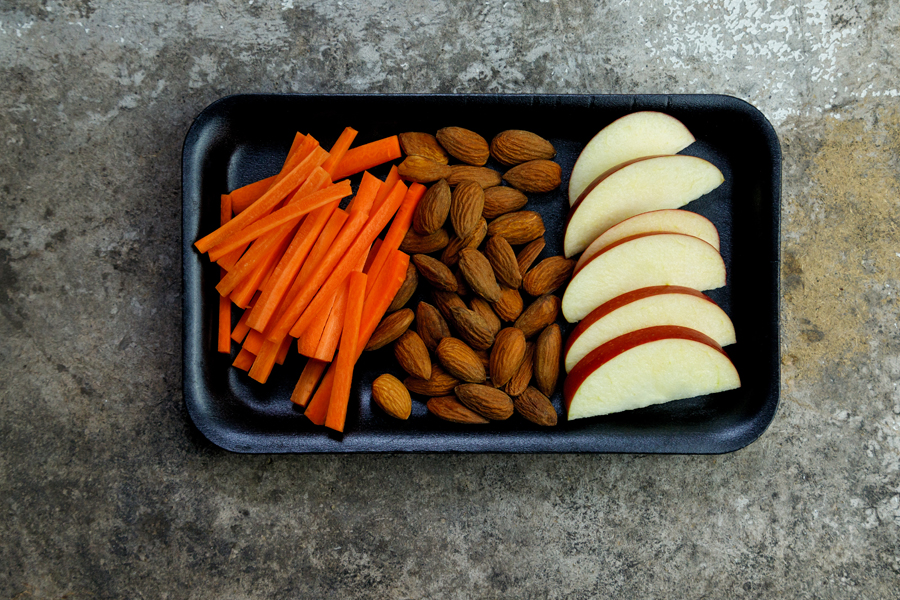
Mid-morning snack tip: 1 apple or 1 carrot + a handful of almonds
Snack tip: 1 handful of raspberries + 1 container of plain yogurt

Feel free to use frozen vegetables and fruits, as freezing preserves vitamins, so there is no problem with them.
oil instead of fats
Replace animal fats (pork fat, duck fat, goose fat) with vegetable fats or healthy fats from nuts, seeds, and fish. I use olive oil for savory dishes and coconut oil for desserts. Both are perfect for baking and cooking.
It is important to choose coconut oil that is cold-pressed or virgin coconut oil (you can recognize this by the label VCO). Refined coconut oil contains unhealthy trans fatty acids.
yogurt instead of mayonnaise
Instead of mayonnaise, dress your salads with plain yogurt dressing. Try this garlic yogurt dressing: mix 1 cup of plain yogurt with 2 cloves of crushed garlic and season with salt and ground black pepper.
Choose lean meats and good fats!
- Reduce your consumption of red meat and sausage in favor of poultry and seafood. Eat fatty fish (such as mackerel or salmon) at least once a week.
- Remove the fatty parts from meat. Chicken skin, for example, contains a lot of unnecessary fat, so if you want to lose weight, don’t eat it!
When choosing dairy products, opt for low-fat varieties whenever possible!
Choose cow’s milk with 1.5% fat content. When it comes to cheese, choose products labeled “light.”
Choose natural!
Avoid preservatives, artificial products (such as packet soups, crisps, etc.) and ready-made products (such as sauces, dressings, frozen pizza, etc.)!
Always check the packaging!
What should you look out for when shopping? What should you look for on the packaging?
Read this! : >>> Conscious shopping: look for these on the packaging!
4. Smaller plates = smaller portions
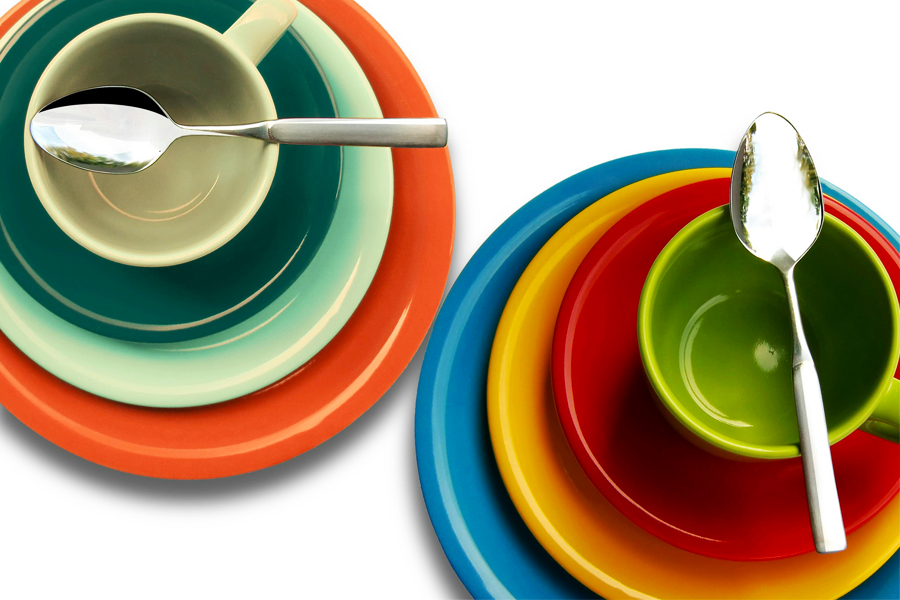
You can’t eat as much as you want, even if it’s diet food. All foods have calories, and if your body doesn’t use the calories you consume, they will remain on you as fat. My fitness foods support fat burning, but only if you don’t overdo them. It helps if you serve yourself smaller portions. The easiest and most attractive way to do this is to serve yourself on a smaller plate.
What works for me is eating most of my main meals from a cereal bowl. This includes soup, salad, and pasta dishes. Whatever fits in the bowl (without overflowing, of course) is usually exactly the portion I need.
5. Kitchen tools for weight loss
Banish the deep fryer to the corner! Frying in oil is not healthy! Instead, steam, boil, or bake in oven bags!
Get kitchen tools that make it easier to prepare weight-loss meals. What are they?
Read this! >> Kitchen tools for weight loss – it matters what you use!
6. Follow these tips in your daily life
- 2-3 liters of water per day (3 liters during the summer)
- 5 meals per day (eat small portions several times)
- At least 1 workout per week and a half-hour walk every day
- Eat vegetables with every main meal!
- Eat at least 2 servings of whole grains every day!
- Don’t stress so much!
7. Encourage your family to help with the above
Perhaps the hardest part of the whole diet is when your family tempts you with fatty foods. You have to cook differently for them. They can buy fatty foods. They don’t want you to get rid of your stash of chocolate bars. All of these things take extra energy away from you and make it harder to change your lifestyle.
I know how difficult it is when you’re not just cooking for yourself and you have to not only cook healthy meals for yourself, but also fulfill the wishes of every member of your family.
The fact is, you can’t please everyone, and you shouldn’t try to, because you’ll definitely end up sick. Don’t try to force your family members to change their eating habits. You can only change one person, and that is yourself. I believe that if you change yourself and others see how well you are doing (i.e., you are losing weight, you are healthy, and you look happy), then after a while they will follow your example. Set an example for them! Show them why they should do it.
In addition to setting a good example, you can also get their support by preparing delicious and beautiful meals. I believe that food should be about taste and appearance, that eating a bowl of soup or a slice of cake should be an aesthetic experience and a pleasure. That’s how I cook, and that’s the kind of fitness recipes I share with you on my blog.
Summary
Cook delicately and healthily. Serve mouth-watering dishes and let them be tempted too. Once they’ve tasted it, you may be able to prepare healthy meals without white sugar and white flour for the whole family next time.
Creating a healthy kitchen is just one step towards losing weight. Remember that it is also important to eat less food than your body uses for energy, i.e., to be in a calorie deficit. A calorie deficit can be achieved through exercise or by eating less food. You can read more about this in my e-book Eating and Losing Weight.