
High fiber recipes – why they are important and how to incorporate them into your daily routine
Fiber-rich foods are one of the most important pillars of a healthy diet. They aid digestion, contribute to feelings of fullness, support the balance of intestinal flora, and even have a beneficial effect on cardiovascular health. Yet most people consume less than the recommended daily intake of fiber (25-30 g). Let’s take a look at why it’s important to pay attention to your fiber intake and which foods are the best sources.
Why is fiber important?
Fiber is actually the part of food that our bodies cannot completely digest. There are two main types:
Soluble fiber – turns into a gel in water, slows down sugar absorption, and helps lower cholesterol levels.
Insoluble fiber – stimulates bowel movements and helps prevent constipation.
A fiber-rich diet:
supports intestinal health,
reduces the risk of type 2 diabetes,
can help control body weight.
The best fiber-rich foods
1. Whole grains
Oatmeal, brown rice, bulgur, quinoa, whole grain bread – all excellent sources of fiber that provide lasting energy.
2. Legumes
Lentils, chickpeas, beans – these are rich in both fiber and plant protein. They are ideal for soups, salads, or purées.
3. Vegetables
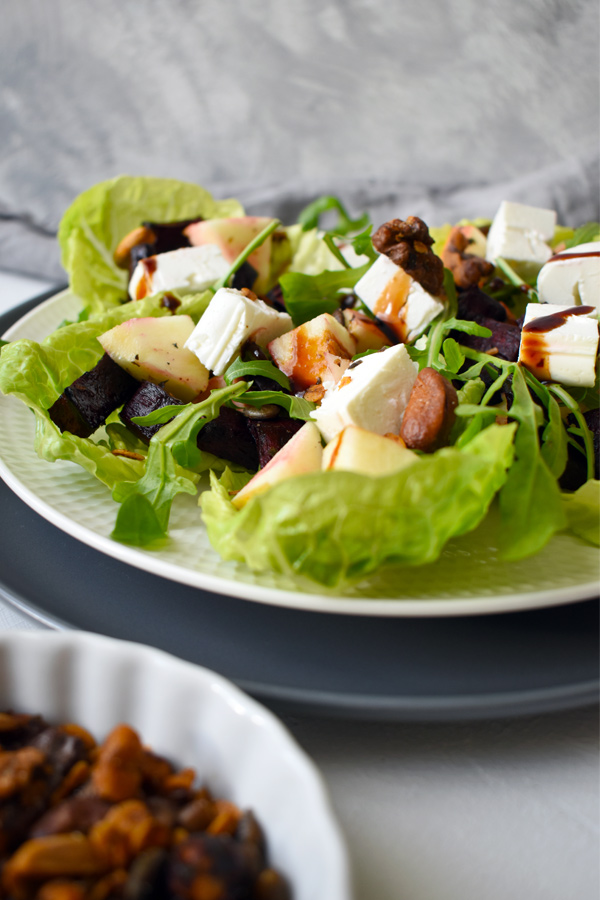
Broccoli, Brussels sprouts, carrots, beets – in addition to fiber, these are also rich in vitamins and antioxidants.
4. Fruits
Apples, pears, raspberries, plums – eating them with their skins gives you even more fiber.
5. Seeds and oilseeds
Flax seeds, chia seeds, almonds, walnuts – rich in fiber, healthy fats, and minerals.
How can you increase your fiber intake?
Replace white bread with whole grain bread.
Add oatmeal to your morning yogurt.
Use legumes as a side dish or main course.
Eat vegetables with every main meal.
Choose fruit or seeds for snacks.
Important: increase your fiber intake gradually and always make sure you drink enough fluids (1.5–2 liters of water per day) to avoid bloating or constipation.