
Cooking Rice Easily
Which rice to choose and how to prepare it in a healthy way?
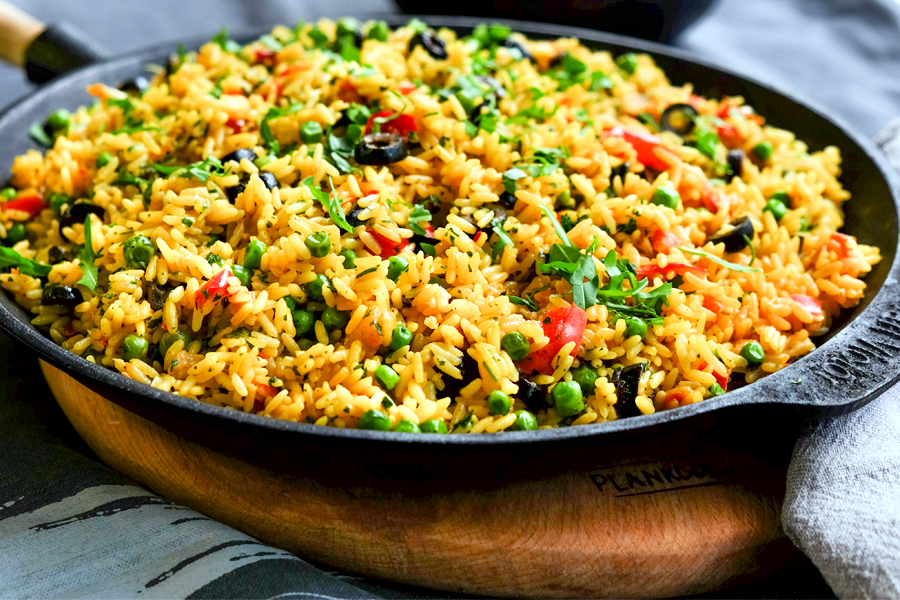
Cooking rice is not rocket science, yet many people are afraid of it. A simpler and more convenient solution is to reach for bagged rice. I often do this myself. Both bagged rice and traditionally cooked rice have different advantages and disadvantages. I will explain how the two methods differ. Then I will share two cooking tips for preparing rice the traditional way. Finally, I will describe the different types of rice and their uses. The differences between rice varieties are not only in taste and texture, but also in which dishes they are best suited for. I will also provide some diet-friendly rice recipes. So, in this article, you can learn everything there is to know about rice, without rice. 🙂
What is the biggest advantage of rice, or why should you eat rice?
Rice is not only delicious, but also healthy, and can be incorporated into your daily diet in many ways. Rice, especially brown rice or basmati rice, is an excellent source of carbohydrates. These complex carbohydrates provide energy and a feeling of fullness for longer periods of time. This means you feel hungry later, which helps with dieting.
Brown rice contains more fiber and nutrients than white rice, including B vitamins, magnesium, and antioxidants. However, recent research suggests that brown rice is not always a healthier choice than white rice.
Cooking rice: bagged rice vs. traditionally prepared rice
Cooking rice in a bag
Advantages:
- Simplicity and convenience: Cooking bagged rice is extremely simple and convenient. The rice is pre-portioned, so there is no need for measuring or preparation. Just put the bag in water and cook.
- Easy cleanup: Since the rice cooks in the bag, cleanup after cooking is minimal, with no need to wash pots.
- Consistent cooking time: With bagged rice, the cooking time is usually precisely specified, making it easy to plan and predict the preparation time.
Disadvantages:
- Limited seasoning options: With bagged rice, there are fewer options for seasoning during cooking. You cannot add spices or other seasonings.
- Nutrient loss: Bagged rice is often pre-treated, which causes some important nutrients to be lost during processing.
- Environmental impact: Bagged rice packaging generates additional waste, which can be detrimental to the environment.
Traditional rice cooking
Advantages:
- Flavoring options: Traditional rice cooking offers many more flavoring options. You can use spices, vegetables, stock, or even coconut milk to achieve unique flavors.
- Greater control: Traditional rice cooking allows you to better control the cooking process, texture, and flavor. For example, if you want less sticky rice, you can easily adjust the amount of water and cooking time.
- Nutrient retention: With traditional cooking, especially when using brown rice, you can retain more nutrients because it does not undergo pre-treatment.
Disadvantages:
- More preparation: Traditional rice cooking requires more preparation, such as washing and measuring the rice.
- More time-consuming: The traditional method can be more time-consuming, especially if you use brown rice, which requires a longer cooking time.
- Cleaning: Cleaning up after cooking can take more time, as rice often sticks to the bottom of the pot.
Which method should you choose?
Based on the advantages and disadvantages of both bagged rice and traditional rice cooking, it can be said that the choice largely depends on individual preferences and the situation at hand. If you want to cook rice quickly and conveniently, bagged rice may be ideal. However, if you want special flavors and more control during cooking, it is worth choosing the traditional method. From a healthy eating perspective, traditional, minimally processed rice may be the better choice.
Cooking rice the traditional way
To get really delicious and healthy rice, it’s worth paying attention to a few important details. I’ll share with you the secret to cooking rice so that you always get perfect results.
Choosing the right rice
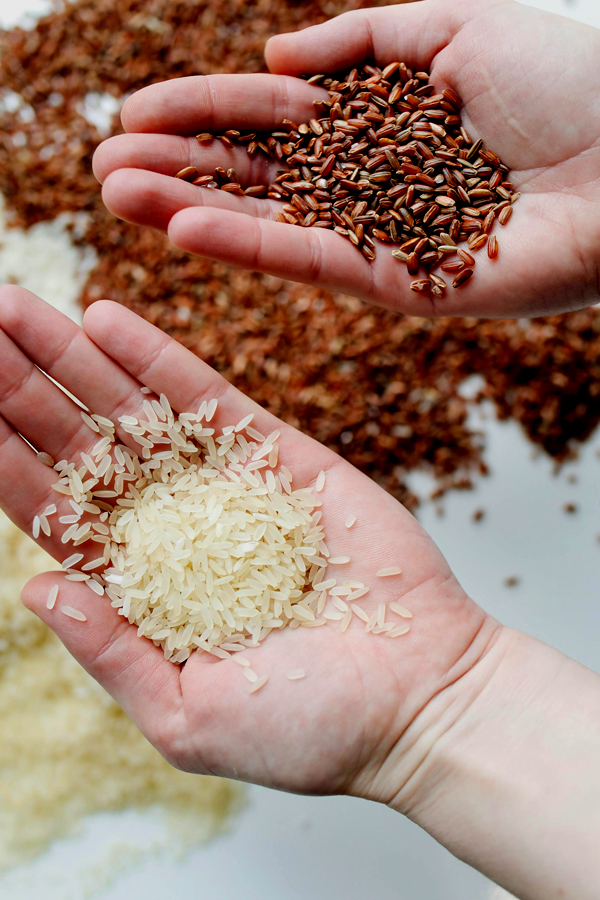
The first step in cooking rice is choosing the right type of rice. There are many varieties to choose from, such as basmati, jasmine, brown rice, or wild rice. Each type has its own characteristics and uses. From a nutritional standpoint, brown rice and wild rice are particularly recommended as they contain more fiber and nutrients than white rice. (See below for more details on rice varieties and their uses.)
Washing rice
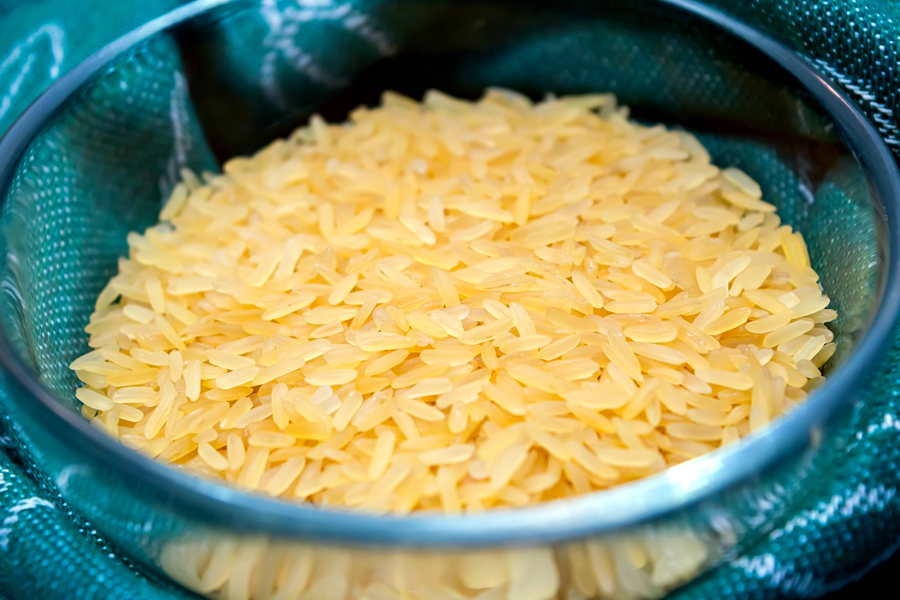
Before you start cooking rice, always wash it thoroughly in cold water. This will remove excess starch and other impurities. Continue washing until the water runs clear. There is no need to soak the rice.
The right proportions
One of the most important factors when cooking rice is the ratio of water to rice. Generally, the following ratios should be followed:
- For white rice: 200 ml of water per 100 grams of rice
- For basmati rice: 170-200 ml of water per 100 grams of rice
- For brown rice: 250-300 ml of water per 100 grams of rice
This ratio helps to ensure that the rice cooks properly, without becoming too dry or too watery. (You can read about the ratios for other types of rice below.)
Cooking process (in a pot)
- Washing and sorting the rice: Wash the measured rice in cold water. Continue washing until the water runs clear. Sort through the rice to remove any impurities.
- Draining the rice: Place the rice in a strainer to drain and dry.
- Boiling water: Put the measured water in a pot, add salt, and bring to a boil.
- Adding rice: When the water boils, add the washed rice.
- Cover: Put the lid on and reduce the heat to low.
- Cooking: Cook the rice for the required amount of time. For white rice, this is about 15-20 minutes, while for brown rice it is 40-45 minutes.
- Resting: When the rice is cooked, remove it from the heat and let it rest for another 5-10 minutes so that the remaining steam can do its work.
Cooking process (baked in the oven)
- Preheat the oven: Preheat the oven to 110°C.
- Wash and sort the rice: Wash the measured rice in cold water. Continue washing until the water runs clear. Sort through the rice to remove any impurities.
- Drain the rice: Put the rice in a strainer to drain and dry.
- Boil water: Put the measured water in a pot, add salt, and bring to a boil.
- Toasting the rice: Once the rice is no longer wet, take a pot and pour in a little olive oil. Heat the rice in the hot oil. You can also add a cleaned half onion.
- Pouring in water: When the rice is hot (you can touch it with the back of your hand to check), pour in the boiling salted water. Stir a few times until the water boils again. Only stir until the rice grains are hard. If they are already slightly soft, stirring will make them slimy.
- Cover and place in the oven: Once the water has boiled, cover and place the pot with the lid on in the preheated oven. Of course, do not use a pot with plastic handles. If you do not have a pot that can go in the oven, pour the rice and water into a heatproof bowl and cover with aluminum foil.
- Steaming: Steam until soft for about 15-30 minutes. (The steaming time depends on the type of rice.)
- Stirring: Stir the cooked rice once with a baking fork to prevent it from sticking. You can also stir in a little butter. This will improve the texture and flavor.
Tips and tricks
- Do not stir while cooking: Do not stir the rice while cooking, as this can break the grains and make them sticky.
- Seasoning: Before cooking, you can add various spices to the water, such as bay leaves, cloves, or saffron, to give the rice a special flavor.
- Coconut milk or vegetable broth: If you want a more unique flavor, you can replace the water with coconut milk or vegetable broth.
- Do not overcook: Overcooking rice increases its glycemic index. Overcooked rice is easier to digest, and the carbohydrates it contains are absorbed more quickly, which is not beneficial for weight loss. Short-term heat treatment raises blood sugar less.
- Cooling makes rice healthier: According to research, the glycemic index of cooled and then reheated rice is lower than that of freshly cooked rice. This has a positive effect on digestion and diet.
Types of rice and their uses
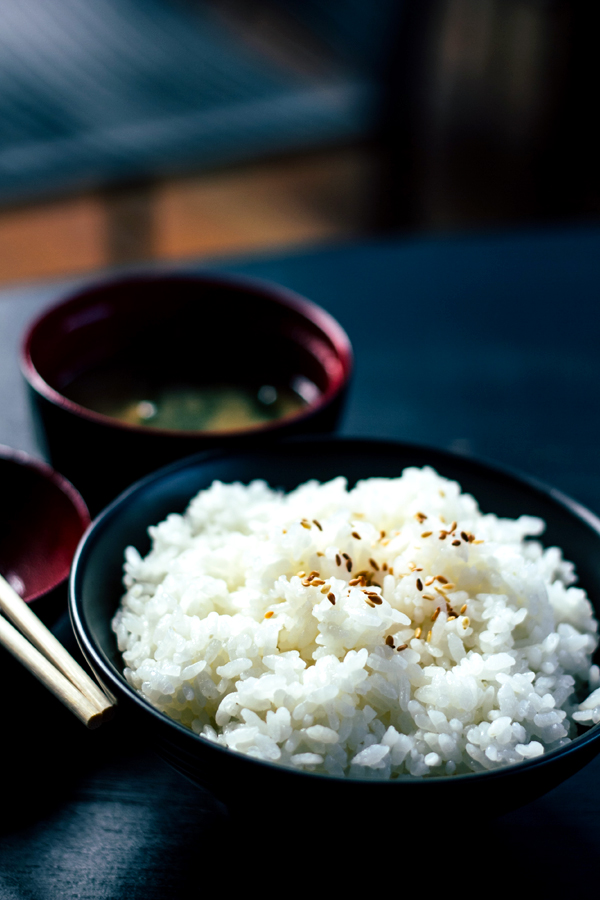
Rice is one of the most versatile ingredients in cuisines around the world. There are many varieties, each suited to different dishes and requiring different cooking times and amounts of water. Let’s take a look at the most popular types of rice, how they can be used, how long they take to cook, and how much water is needed to prepare 100 grams of rice.
1. Basmati rice
Use: For Indian and Middle Eastern dishes such as biryani, pilaf, and various curries.
Cooking time: 15-20 minutes
Amount of water: 170-200 ml of water for 100 grams of rice
2. Jasmine rice
Use: For Southeast Asian dishes, especially Thai and Vietnamese dishes such as pad Thai and various curries.
Cooking time: 15-20 minutes
Amount of water: 170-200 ml of water for 100 grams of rice
3. Brown rice
Use: For health-conscious dishes, salads, vegetarian meals.
Cooking time: 40-45 minutes
Amount of water: 250-300 ml of water for 100 grams of rice
4. Arborio rice
Use: For Italian risotto and other creamy rice dishes.
Cooking time: 18-20 minutes
Amount of water: 300-350 ml of water or stock added gradually to 100 grams of rice
5. Sushi rice
Usage: For Japanese dishes, especially sushi preparation.
Cooking time: 20-25 minutes
Amount of water: 150-200 ml of water for 100 grams of rice
6. Wild rice
Use: For salads, side dishes, and various meat dishes.
Cooking time: 40-50 minutes
Amount of water: 300-350 ml of water for 100 grams of rice
7. Long grain white rice
Use: For rice dishes, stuffing, as a side dish for chicken or vegetable dishes
Cooking time: 15-20 minutes
Amount of water: 200 ml of water for 100 grams of rice
Which rice is best for weight loss?
White rice is considered a high glycemic index carbohydrate. Basmati rice has a medium glycemic index.
The breakdown of high glycemic index carbohydrates provides our body with immediate energy, as they contain fast-absorbing carbohydrates, which means that these carbohydrates break down into sugar molecules more quickly. This causes a sudden increase in blood sugar levels, which leads to more insulin being produced and fat storage being triggered. Consuming too many carbohydrates can lead to weight gain.
Based on the above, white rice is not the best choice if you are on a diet. However, any type of rice is a better choice for dieting than potatoes. This is especially true if you prepare potatoes as mashed potatoes, as this adds additional fat.
You may rightly ask yourself whether you should pay attention to carbohydrate content and calories or the glycemic index when dieting.
I think the solution is this: eat what fits into your diet! If you count calories and pay attention to macronutrients, including the carbohydrate ratio, then foods with higher values may not fit into your diet. However, if they do fit (and you are not diabetic), then you can safely choose carbohydrates with a high or medium glycemic index, as these also contain valuable nutrients. But there are two things to keep in mind if you want to lose weight: eat them in small amounts and in the right combinations.
Quantity
I count 50 grams of dry rice per serving. This amount of basmati rice contains 174 calories and 38 grams of carbohydrates. This fits into my diet, as I usually count 50 grams of carbohydrates for lunch.
Combination
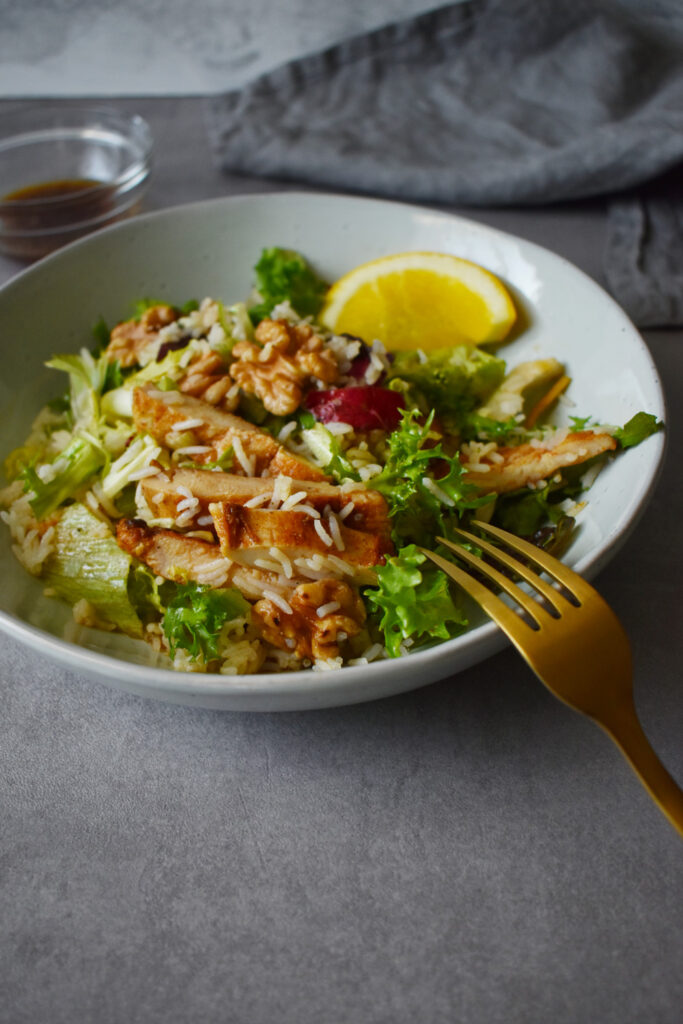
Slow-absorbing carbohydrates (i.e., fiber-rich side dishes) combined with low-fat protein result in healthy, diet-friendly meals. This is because protein-rich foods lower the glycemic index of the foods consumed with them. An example of such a combination is rice with shrimp or chicken.
Let’s check out some more rice recipes!
Rice recipes
Rice goes well with many dishes as a side dish. Try these rice recipes!
- Mediterranean Bowl with Chicken Breast and Brown Rice
- Pork chop in sour cream with zucchini
- Yellow wax beans casserole with capers
Summary
I hope that cooking rice will no longer be a problem after this. Choosing the right rice, washing it thoroughly, following the correct proportions, and monitoring the cooking time all contribute to ensuring that our rice is always perfect. You can also choose bagged rice if you have less time to cook. The traditional method preserves more nutrients.
I recommend not eating just one type of rice. Feel free to use jasmine rice, basmati rice, or even white rice on occasion. A varied and balanced diet contributes to a healthy lifestyle. If you are on a diet, you can control how many carbohydrates you consume by reducing your portions. It is important to stick to the right amounts. Eating too many carbohydrates can lead to weight gain.